

 Aart Heering
Every Italy goer knows Rimini as the capital of the Adriatic beach life and discovertier. The municipality therefore has 1.234 hotels, almost all of which are located on the endless coastal strip. But only a few hundred meters away from mass tourism is a beautiful and cozy old town with impressive sights and monuments, where it is also good food and drink.

The city council has now also understood that you cannot live on the beach alone and is therefore busy promoting the city as a cultural center with festivals, exhibitions and concerts.

Arch of Augustus

For two millennia, the most beautiful gateway to the old city has been the Arco d'Augusto, the triumphal arch built by Emperor Augustus in 27 BC. It still stands and is one of the most beautiful monuments of its kind. The main street Corso d'Augusto, which runs straight through the car-free center from there, is also named after the emperor who turned ancient Ariminium into an important administrative center.
Cathedral of Rimini

Turning right through Via Serpieri you come to Tempio Malatestiana. This basilica, now Rimini's Cathedral, was built in 1450 by top architect Leon Battista Alberti, commissioned by Sigismondo Malatesta, the descendant of a family of robber barons that ruled Rimini and its surroundings for two centuries. It is one of the most important structures of the Italian Renaissance, with numerous references to classical antiquity and emblematic representations radiating more the glory of the Malatesta than the fear of God.
Piazza Tre Martirich

In Piazza Tre Martiri there is a small chapel on the spot where St. Anthony of Padua in the 13e century preached to convert heretics. He did so with such conviction that even a mule knelt before him: the scene is depicted in relief on the outer wall. There is also one on the square by order of Mussolini posted image of Julius Caesar, who lived here in 49 BC. cried that 'the die is cast' (alea est boasts) and then advance to Rome, an example that the Duce would follow in 1922.
Local specialty: Strozzapreti
A little further on are the Piazzetta Gregorio da Rimini and the Vecchia Pescheria, a cozy little square and the former fish market, the scene of the movida, with a series of cafes, eateries, packed terraces and live music. You should definitely order a plate with Strozzapreti, a short twisted pasta that owes its wonderful name – priest strangler – to the area's anti-clerical tradition, which was under the authority of the Pope for six centuries.

Flatbread
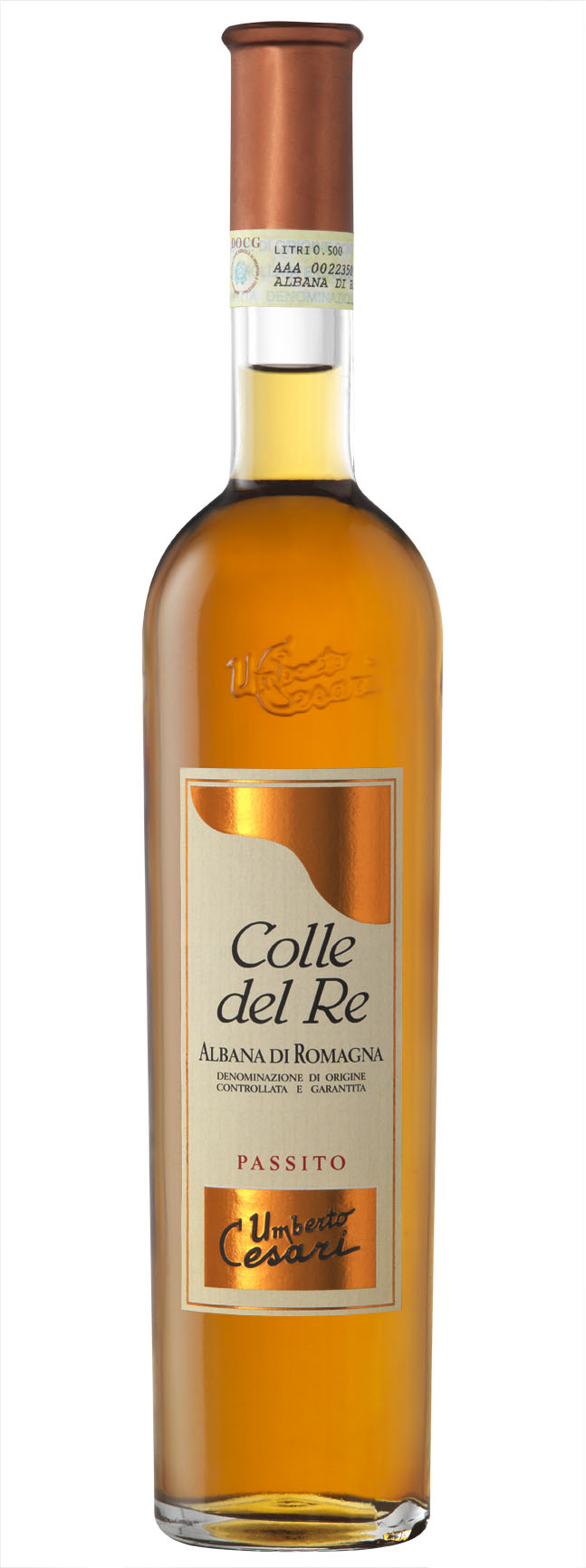
Prepared with sausage, fish or mushrooms and accompany a bottle of local crisp white Rébole or heavy red Sangiovese, followed by a glass of the excellent dessert wine Albana Passito: comment unnecessary. And if you want to keep it simple, take another specialty of the local cuisine, the piadina, an unleavened pizza that looks like a pancake, which is topped with everything, but preferably with soft cheese, raw ham and arugula.

Medieval center
Via the Pescheria you arrive at Piazza Cavour, the center of medieval Rimini. The former government buildings, the Palazzo Dell'Arengo dating from 1204 and the 14ecentury Palazzo del Podesta. This square is the scene of the famous snowball fight in which the most famous citizen of Rimini, Federico Fellini (1920-93), summarized his childhood memories in the film Amarcord (1973).

In the run-up to the director's centenary next year, the city is already organizing a series of events, but the museum dedicated to him, which has been closed for five years, will only reopen next year, in the beautiful, recently restored Jugendstil Cinema Fulgor. , where theteacher once started his career as a caricaturist.

The true Fellini atmosphere can also be experienced amid the massive chandeliers, gilded mirrors and walnut furniture of the venerable Grand Hotel, which is of course located on Piazza Fellini.

Roman house with mosaic floors

To the right of the main street, in Piazza Ferrari, remains of a Roman house with beautiful mosaic floors were found during work in 1989. It turned out to be the home of the surgeon Eutyches, who lived here in the 3e century AD. practice. The excavations are now covered and open to viewing, while some 150 scalpels, forceps, blades and other excavated medical implements are housed in the adjacent City Museum. The specialist's treatment room has also been reconstructed there.
Tiberius Bridge

At the end of the Corso, you will arrive at another ancient gem, the Ponte di Tiberio, named after Emperor Tiberius, Augustus' successor. This arch bridge, which was completed in the year 21, is so solidly built (then still), that it still carries modern car traffic over a closed arm of the river Marecchia, which flows into the sea at Rimini.
The old fishing district
Across the road is the old fishing quarter of San Giuliano, with its small houses painted in bright colors and modern murals, often with themes from Fellini's films. The district is also known for its terraces and eateries, where you can enjoy the local cuisine more quietly than in the center.
Let it be clear: Rimini is much more than just sun and sea!
Some more Rimini highlights on video:
Also check out the 10 most beautiful places in Emilia-Romagna.
Do you know any beautiful sights in Rimini yourself? Then leave your comment below.








Comments