

 Aart Heering

In 1492, the Sicilian King Ferdinand of Aragon issued the Edict of Granada, banning all Jews from the island. This brought an end to a thriving Jewish community of five to eight thousand souls in Palermo. But now, more than five centuries later, a small Jewish group is once again active in the Sicilian capital, which will soon have its own synagogue again. Thanks in part to the help of the Archbishop of Palermo.
The forgotten Jewish past
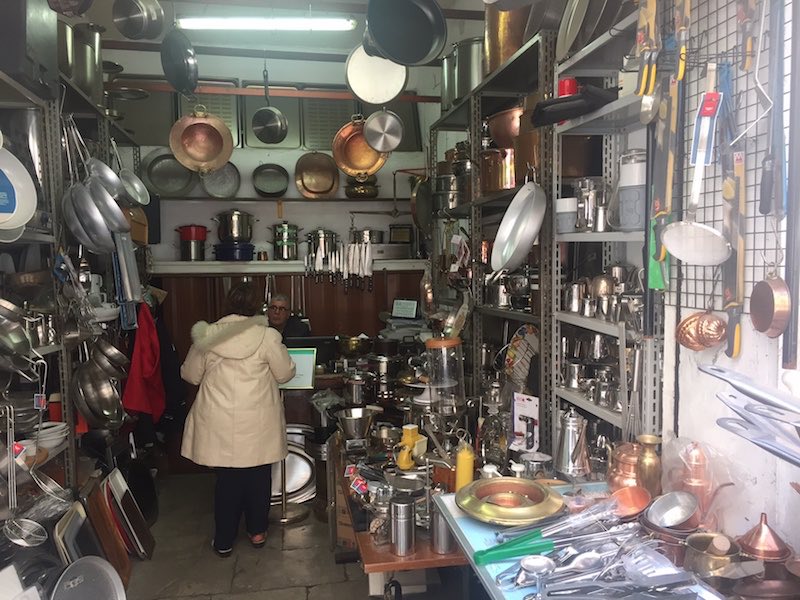
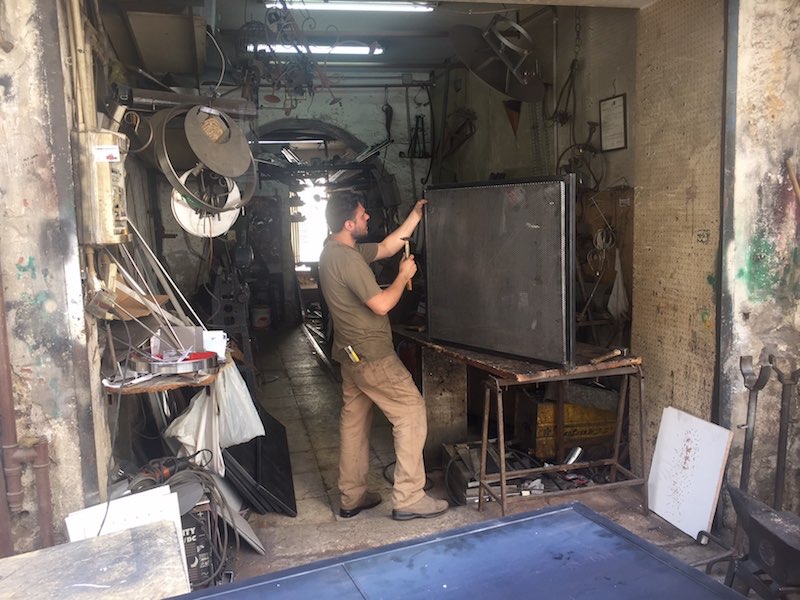
At the same time, knowledge of the almost forgotten Jewish past of Sicily to. The medieval Jewish quarter, the Giudecca, was located just outside the city walls and has been used since the 18e century bisected by the long, dead straight Via Maqueda. The main street was Via dei Calderai, the Street of the Tinkers, then a Jewish specialty. The Jews have disappeared, but the tradition has remained.

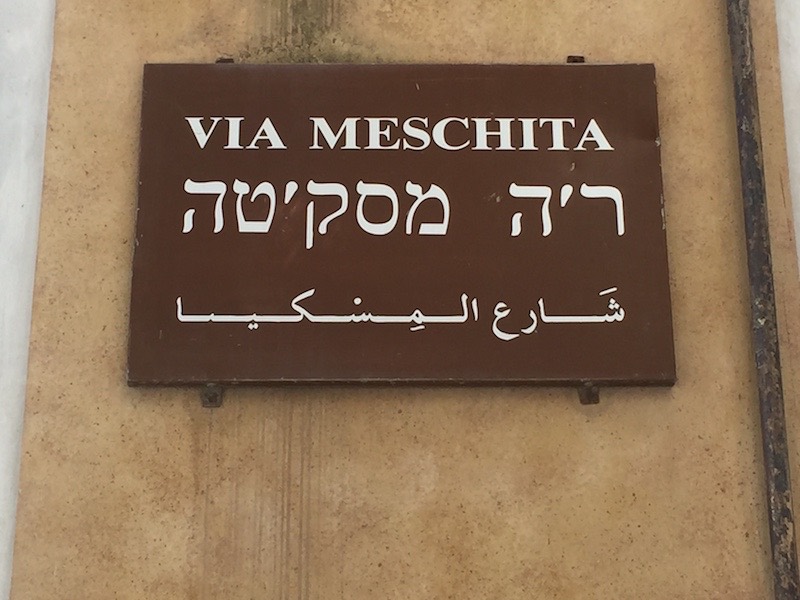
This is still a center of metal workers who manufacture pots, pans, kettles and sinks. That makes Via dei Calderai one of the most rustic streets in old Palermo. Its multicultural past is honored by street signs in Italian, Hebrew and Arabic, while Bangla eateries and African hawkers are a reminder that Palermo is once again a multi-ethnic city.
New Synagogue in the Jewish Quarter
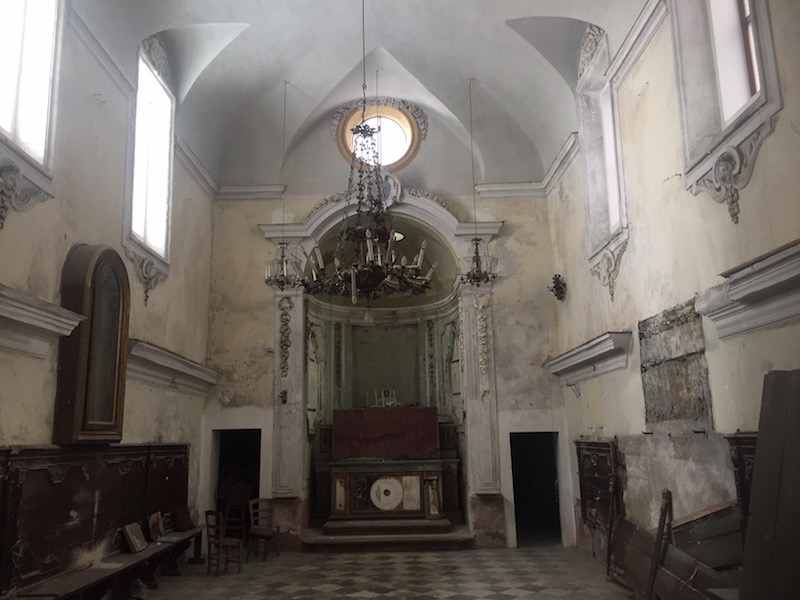
The entrance to the Great Synagogue was once located at number 58. He has in the 16e century had to make way for the church of San Nicolò da Tolentino, but the entrance gate, the Arco della Meschita (the Arabic word for both synagogue and church) still stands. Directly opposite, on the Vicolo (alley) della Meschita, is a small chapel, the Oratorio della Madonna delle Grazie, also known as Oratorio del Sabbato, or Shabbat. It is thanks to two enterprising Jewish ladies, Evelyne Aouate and Miriam Ancona, that a new synagogue will soon be built here. This is possible thanks to the support of the Archbishop of Palermo, Corrado Lorefice, who donated the disused oratory to the Jewish community.
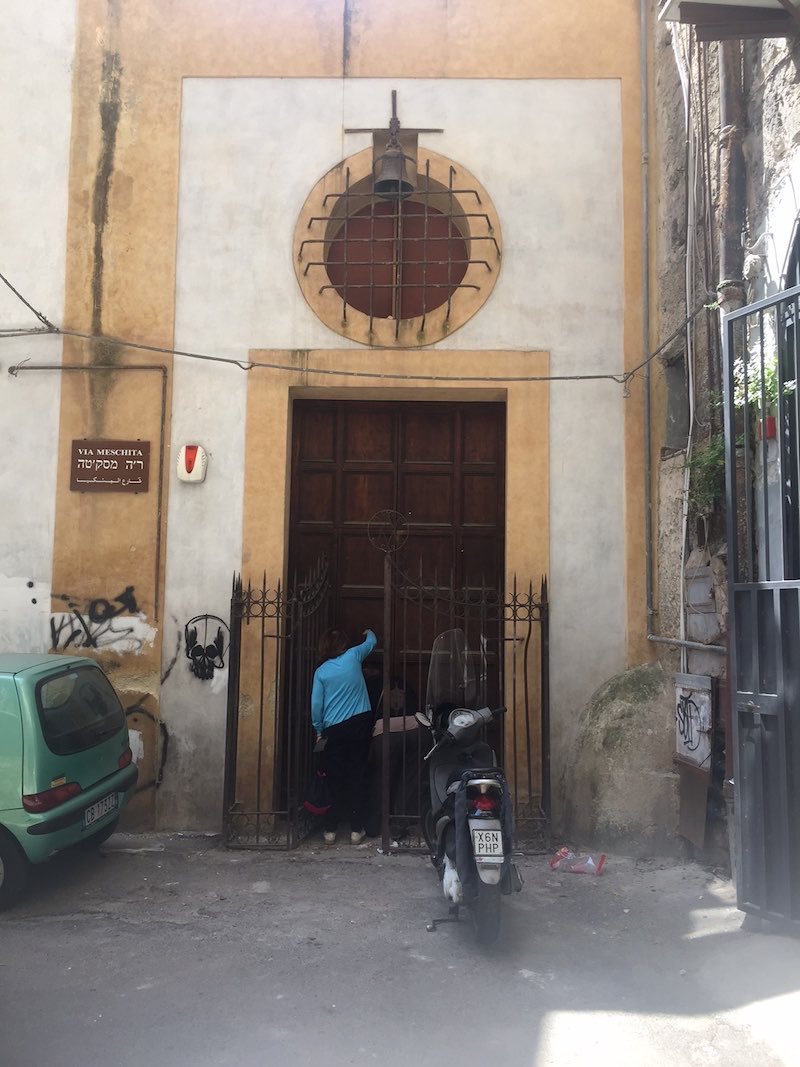
Evelyne and Miriam showed me around the almshouse, which has been badly run down and looted in recent years, but otherwise solid enough. One problem is that in Palermo one cannot really speak of a Jewish community yet. The minimum of ten professing Jewish men required for the service has not yet been met. But that can easily be solved by the American Jewish and Israeli tourists who visit Sicily in increasing numbers, Evelyne argues.
Banishment
The ladies then took me to Piazza Meschita, where architect Giuseppe Damiano Almeyda at the end of 19e century, the municipal historical archive was built in the style of the ancient synagogue. Prominently displayed here is the edict issued by the Spanish viceroy of June 18, 1492, which meant the banishment of tutti li iudei masculi et femine grandi et pichuli (all large and small, male and female Jews), on pain of death. Across the Via Maqueda is the 15e century, only accessible by appointment, Palazzo Marchesi, where 12 meters deep, next to a medieval water reservoir, a mikveh, a ritual Jewish purification bath, has been found. It is filled with crystal clear water supplied by the Kemonia, the now subterranean river on the banks of which the Phoenicians once founded Palermo.
Hebrew graffiti
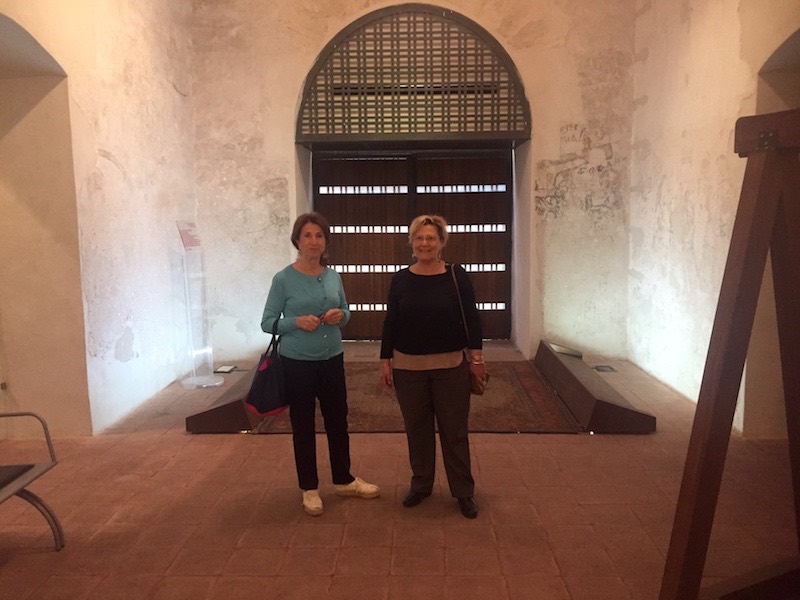
Other testimonies of the Jewish past have recently been found during the restoration of Plazzo Chiaromonte Steri. In this 15e This century-old castle, beautifully situated on Piazza Marina, shaded by a huge rubber tree, now home to the Rector Magnificus of the University of Palermo, was home to the Sicilian Inquisition for more than a century. Among the exposed texts and drawings in the cells Hebrew graffiti has also been found. Probably from Marranos. These are Jews formally converted to Christianity who secretly continued to adhere to the old faith. When discovered, the pyre was waiting. This makes this palazzo a suitable backdrop for the exhibition devoted to later persecutions of the Jews Anne Frank, una storia attuale, which opened here on May 18.


Photos: Aart Heering








Comments