

 Aart Heering

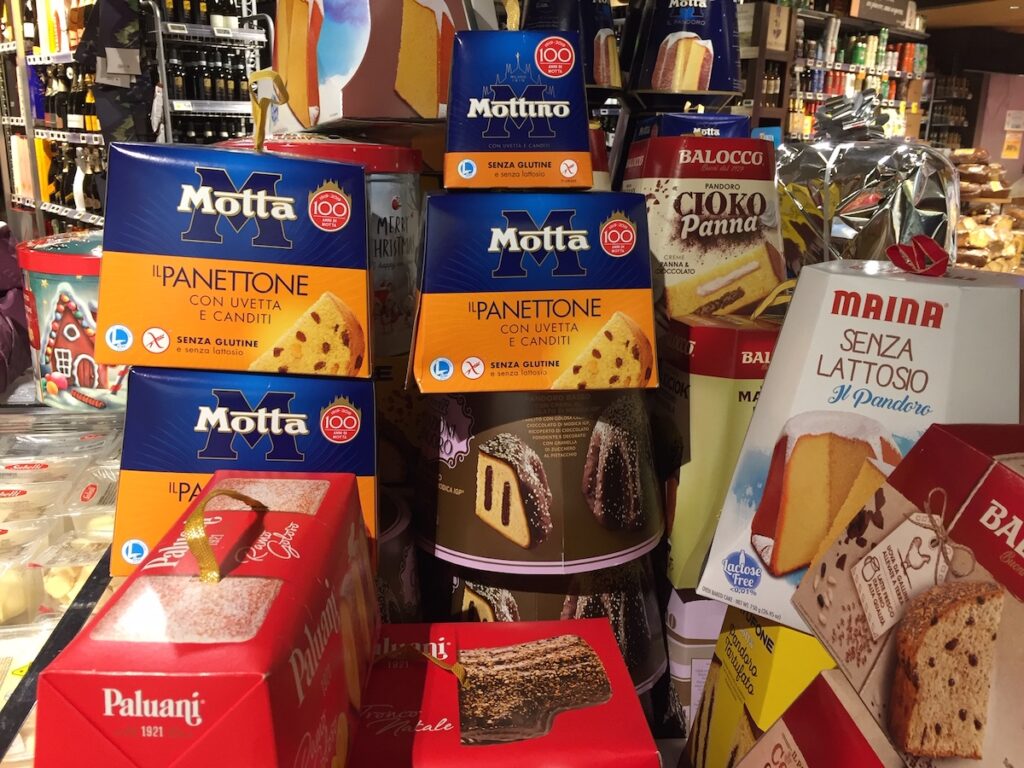
It's back, on the supermarket shelves and in the confectioner's window: panettone, the highly risen and high-calorie cake that every self-respecting Italian family serves after the lavish Christmas meal. This will be accompanied by extra festivity this year, because the panettone is celebrating its XNUMXth birthday.
Angelo motta
A century ago, in 1919, confectioner Angelo Motta opened his business in Milan, where he focused on refining the traditional pane natal dei contadini a "farmer's Christmas bread" similar to the Christmas stollen, made of flour, currants and candied pumpkin.
He developed this into a new and 'richer' recipe, with the addition of butter, eggs, sugar and candied fruit. In addition, he did not use brewer's yeast but small amounts of sourdough, whereby the product had to ferment for three days and be re-kneaded three times.
The finishing touch came from the way of baking, no longer flat on the oven tray, but wrapped in a spacious and high paper roll. This gave the panettone its characteristic shape of a tower or, if the dough rises above the paper, that of a chef's hat.
Motta soon became a household name, also thanks to its easily recognizable logo with the characteristic double T with one cross stripe and the strong M of Milan (and of Mussolini, which was also a nice bonus in those years).

Dolce Milanese
The panettone has since been regarded as the Dolce Milanese par excellence, as a counterpart to that other northern Christmas speciality, the Pandoro from Verona, a high and dry cake without fruit, on which Domenico Melegatti had already applied for a patent in 1894. In the 50s and 60s, when the Italian economy was booming, the consumption of panettone increased accordingly.

Not only in Italy but also abroad, such as in France where Motta has been marketing its product since the 30s as le cake national italy. The Milanese specialty of yesteryear became an Italian icon, comparable to the Fiat 500, the Vespa and Nutella.
After a prolonged crisis, caused by the increased costs of labor and raw materials and competition from other types of sweets, Motta has recently started doing well again. The Milanese company was successively acquired by the state holding company SME, the Swiss multinational Nestlé and finally in 2010 by competitor Bauli from Verona, the largest producer of pandoro.
Recipe never changed
Motta argues that with all these changes, the original recipe has always remained unchanged, and we like to believe that. In an ironic spot from a few years ago, an alternative vegan panettone presented, with ingredients such as tofu, papaya, seitan and dry algae.
Followed by the reassuring: “No! We still make it exactly as we did in 1919.”
The Italian vegans felt embarrassed, but the other Italians loved it and returned en masse to the Dolce of yesteryear.
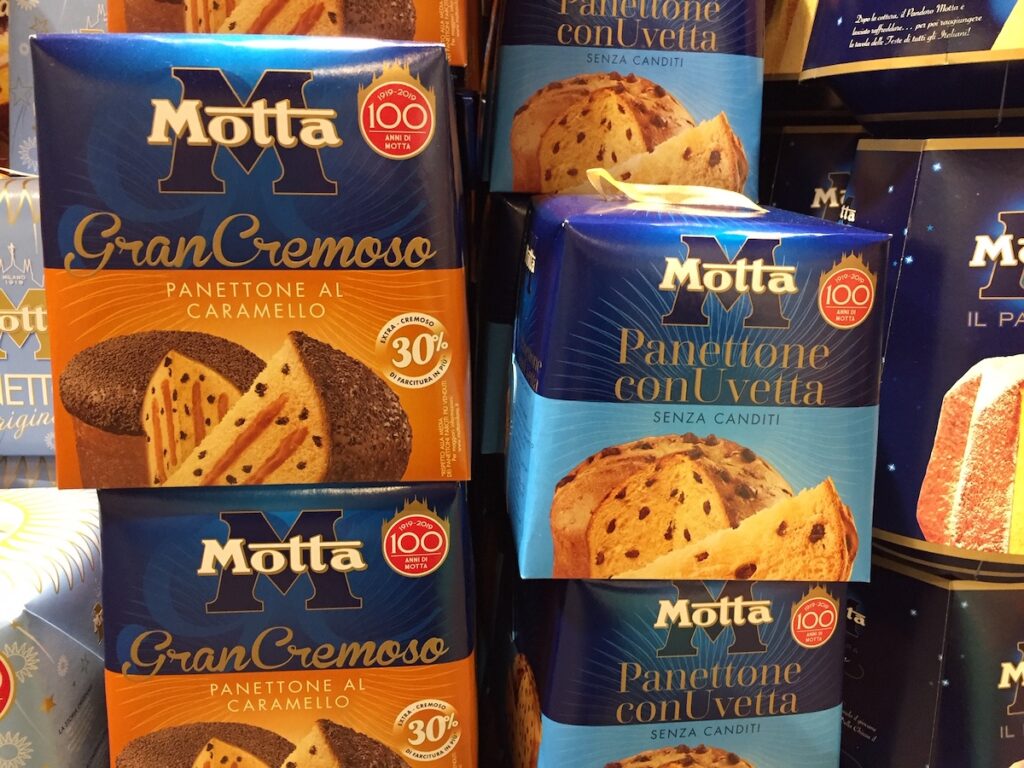
Even on its hundredth birthday, the panettone is still very much alive. Last year production amounted to 29.000 tons for a turnover of 217 million euros, more than 2% more than the year before. That is 25 to 30 million copies of more than a kilo each.

More than 2 per family
In addition, the same amount of pandoro is sold, so that on average more than two pieces of panettone or pandoro are on the table for each family. That explains why after Christmas you are still thrown to death at friends' homes or offices with leftover copies.
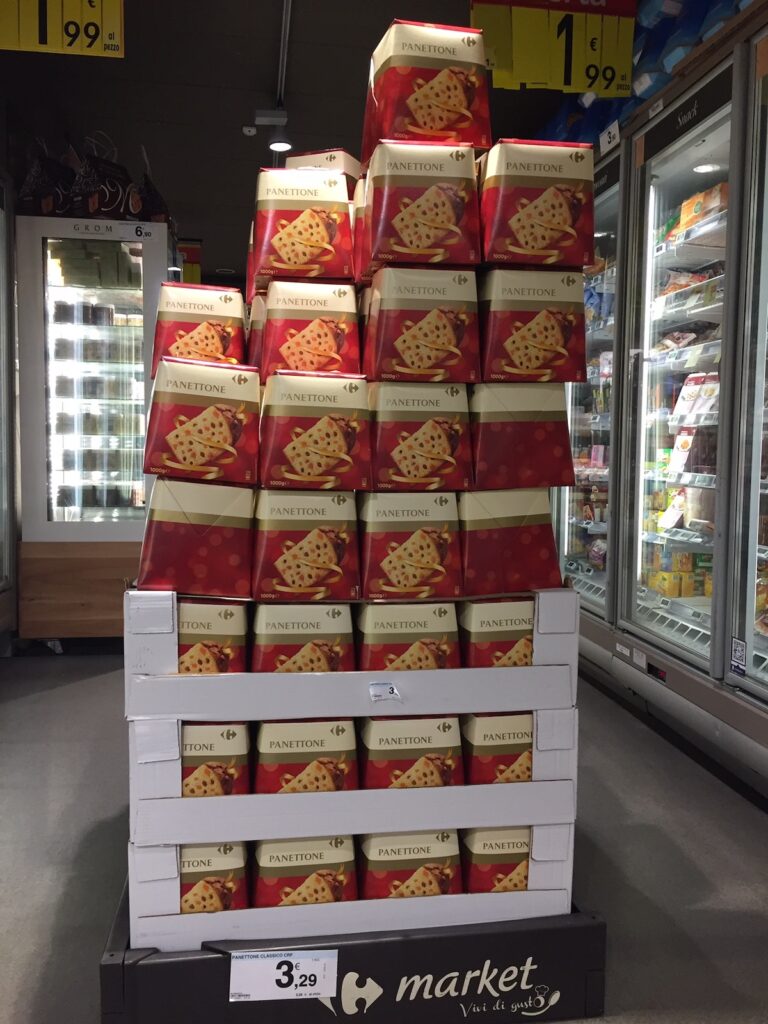
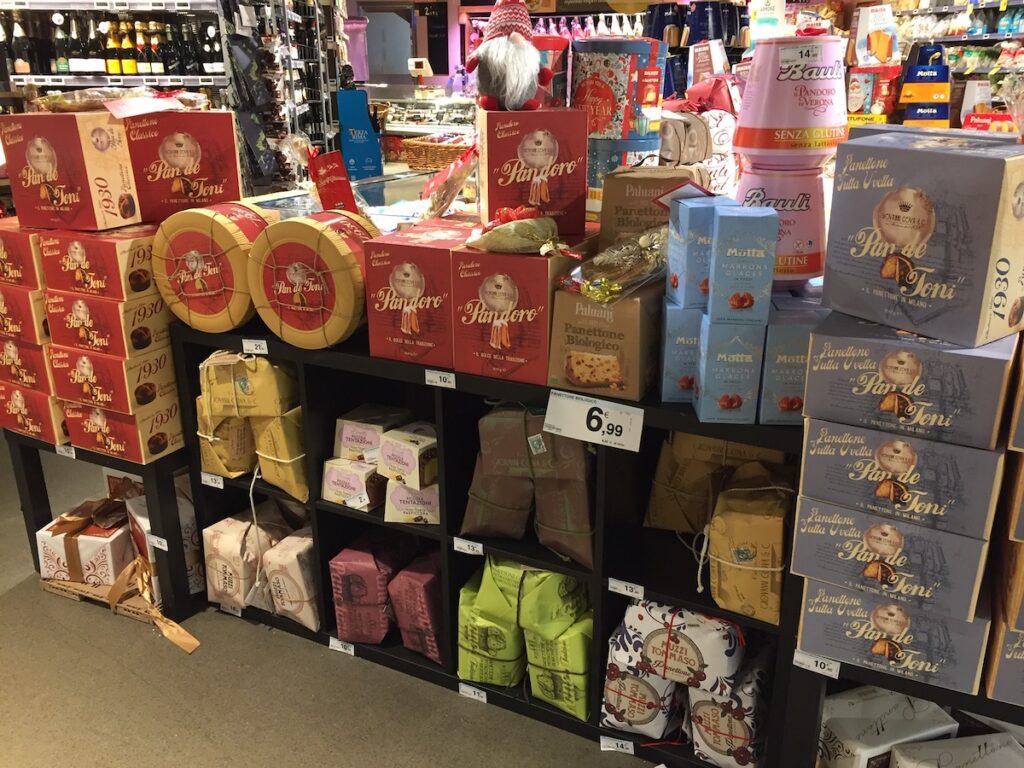
About 80% of pandoris are factory products — from Motta, Bauli, Melegatti and other manufacturers — sold in supermarkets. But there is also a growing market for artisanal panettone, from the confectioner or delicatessen. They are on average four times more expensive – 20 instead of 5 euros – but usually much tastier and less dry, albeit certainly not leaner.


Making panettone at home?
Finally, you can also try baking a panettone at home. It's not easy, but Here you will find a solid and detailed recipe.
This also makes it clear why a traditional panettone must be quite expensive, and also why it is considered a solid cost. The following ingredients are needed for a panettone of 1,2 kilos: flour 310 grams; butter 110; sugar 115; egg yolks 100; raisins (sultanas) 150; sucade 30; candied orange 70; orange paste 75; lemon paste 20; tangerine paste 30; acacia honey 16; yeast and salt.
Good for a whopping 434 calories per serving. But hey, after a well-sprinkled Christmas lunch you can add that too!
Motta has summarized its history and that of the panettone in an anniversary book published by luxury publisher Franco Mari Ricci, which can also be consulted digitally: Libro Panettone Motta.








Comments