

 Aart Heering
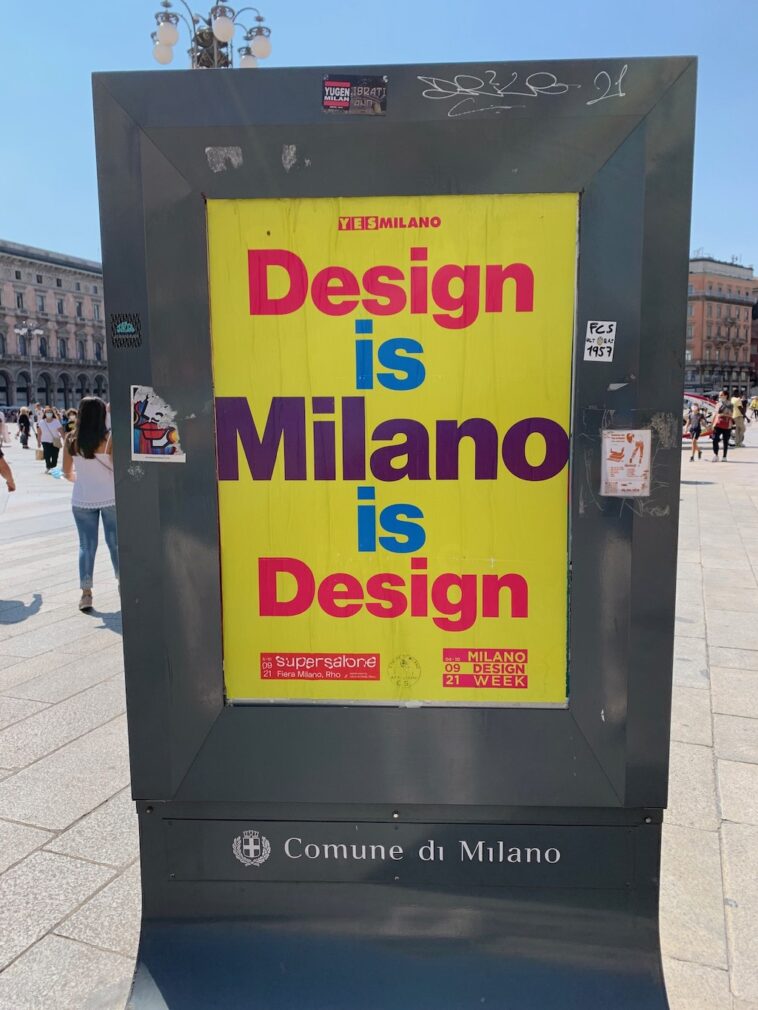
It depended on it, but it turned out to be possible. After 2,5 years of enforced rest, Milan Design Week opened on 5 September, the annual event of craftsmanship and art that makes the Lombard capital the design center of the world for a week.
April is actually the month of the fair, but this spring was unthinkable due to the pandemic and makers, buyers, enthusiasts and journalists really didn't want to wait until next year.
The result is a more modest version than usual. The classic Salone del Mobile, the furniture trade fair from which the Design Week has emerged in recent years, is rather poor this time.
At the huge fairgrounds in Rho, just outside Milan, this time only 4 of the usual exhibition halls are filled. But in the city itself, the creative sector is again prominent, spread over various districts, palazzi, studios and former factories.

less exuberant
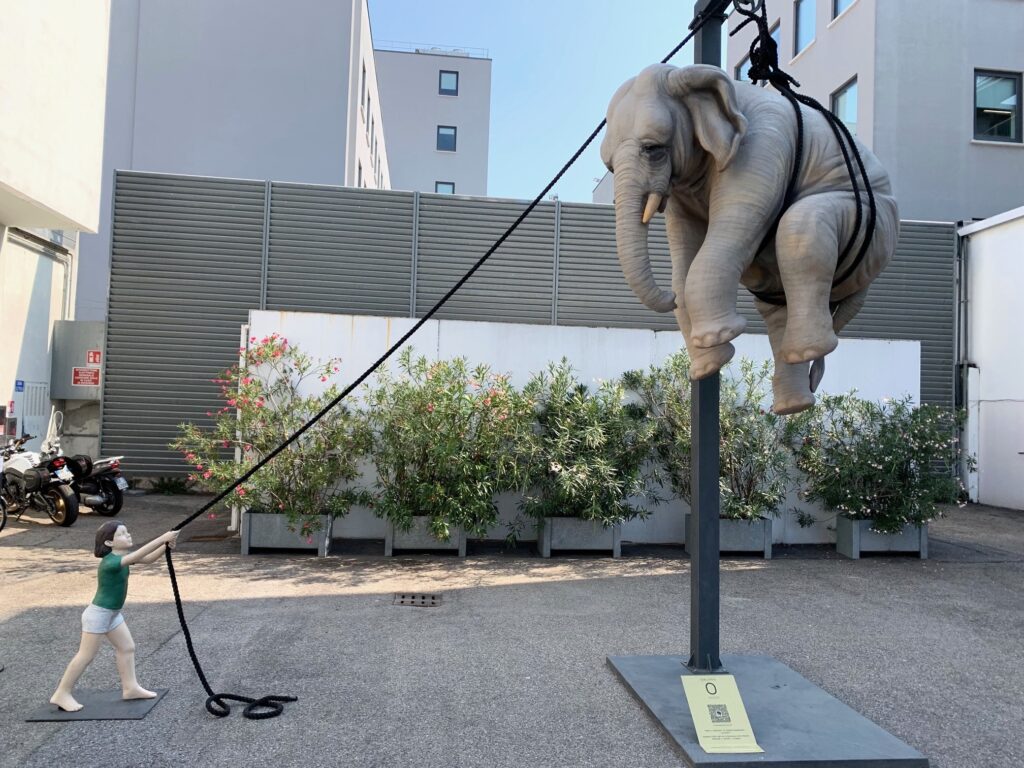
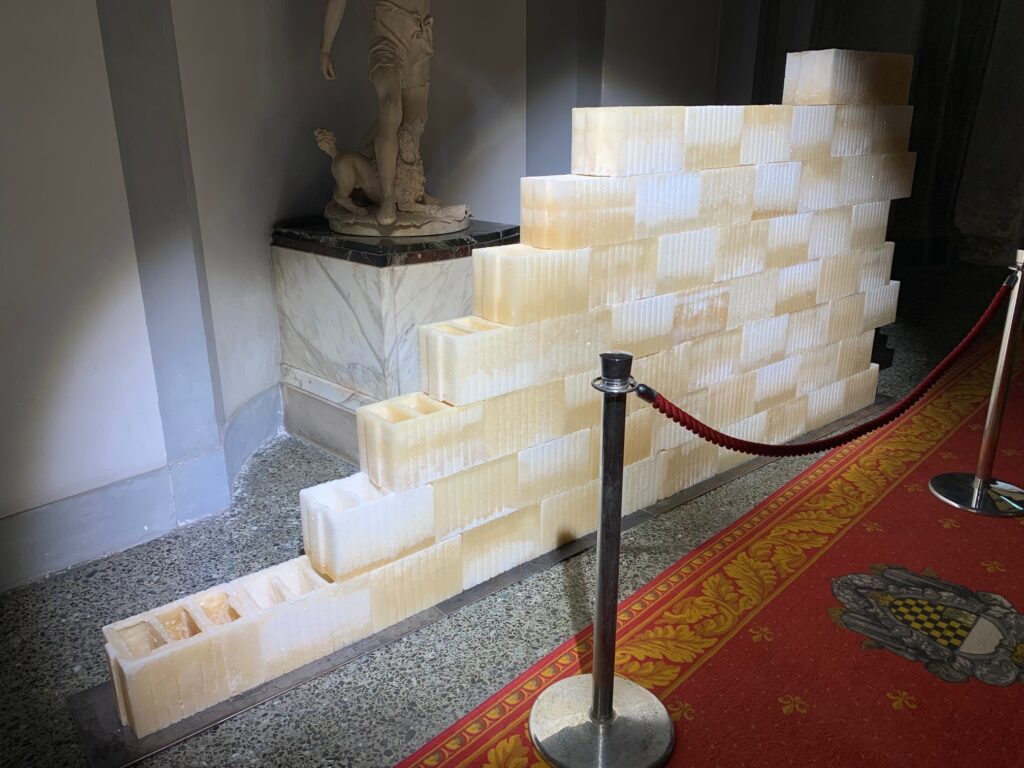
But it is less exuberant than in previous years. Streets and squares that were then full of stands and objects are now almost empty and without many surprising and bizarre objects, if you don't count the hanging elephant in Via Cortona, back as a design street par excellence, and the sugar wall in Palazzo Litta.

hanging elephant wall of sugar
The public is also different because of corona: many more Italians, few tourists and practically no Asians and Americans. But the crowd of visitors is large enough to cause long lines, especially due to the control of the greenpass, which is strictly enforced in Milan.
That does not alter the fact that there is a cheerful atmosphere in the city during this Design Week 2021. The designers are pleased that they can finally crawl out of their creative depths again, the visitors delight in beautiful objects and ideas and the journalists can do their work normally again.
masterly
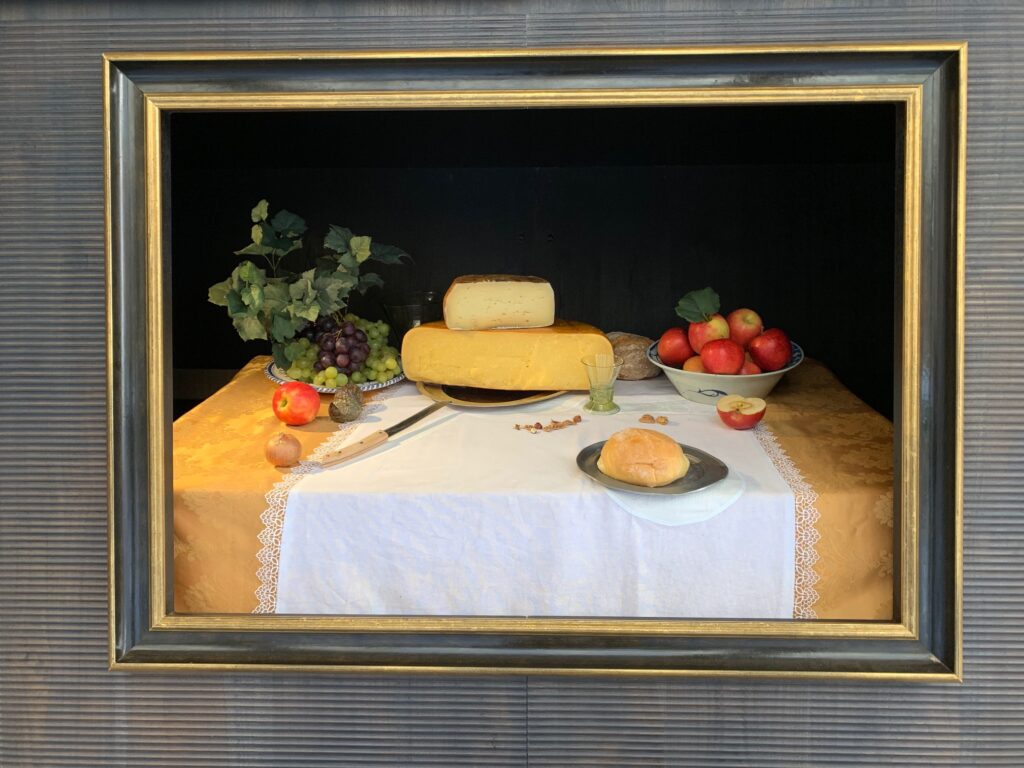
Living still life from Creative Chef Studio Come from Geir Nustad Interior of Victor de Bie Masterly: glass sculptures by Bibi Smit
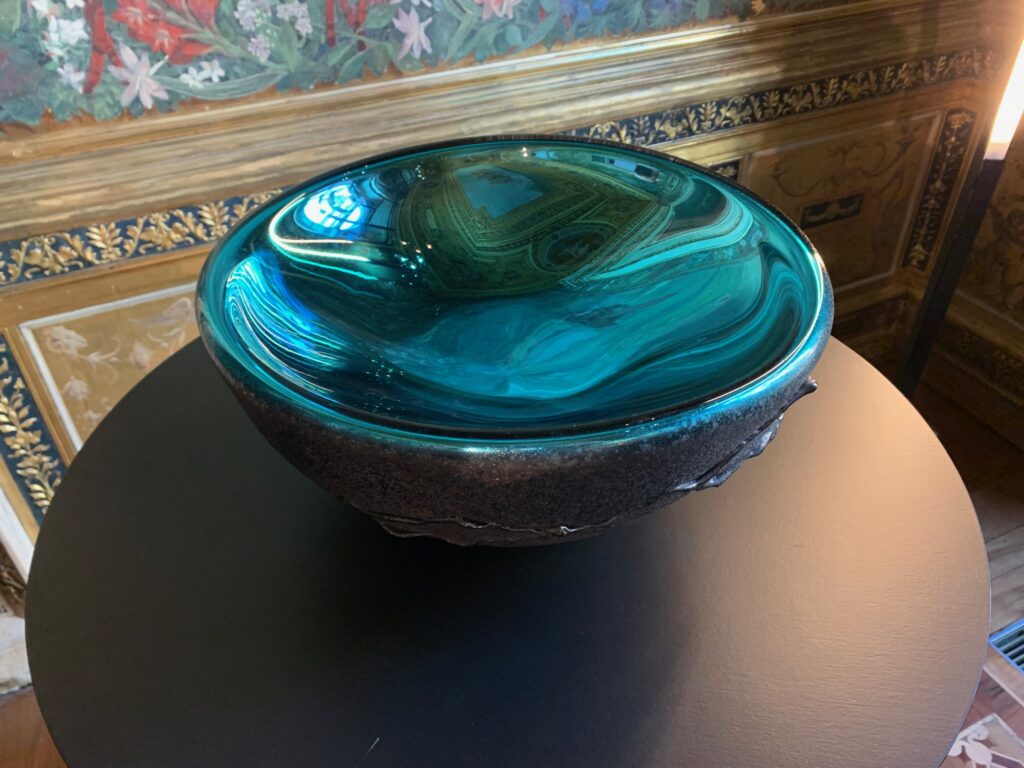
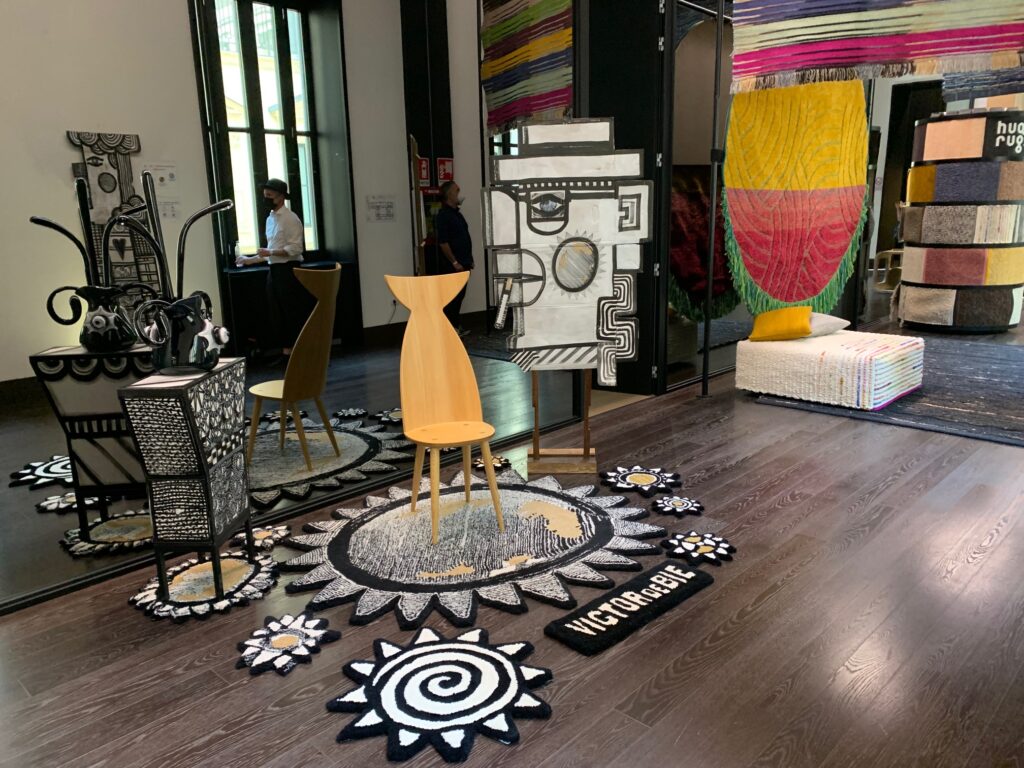
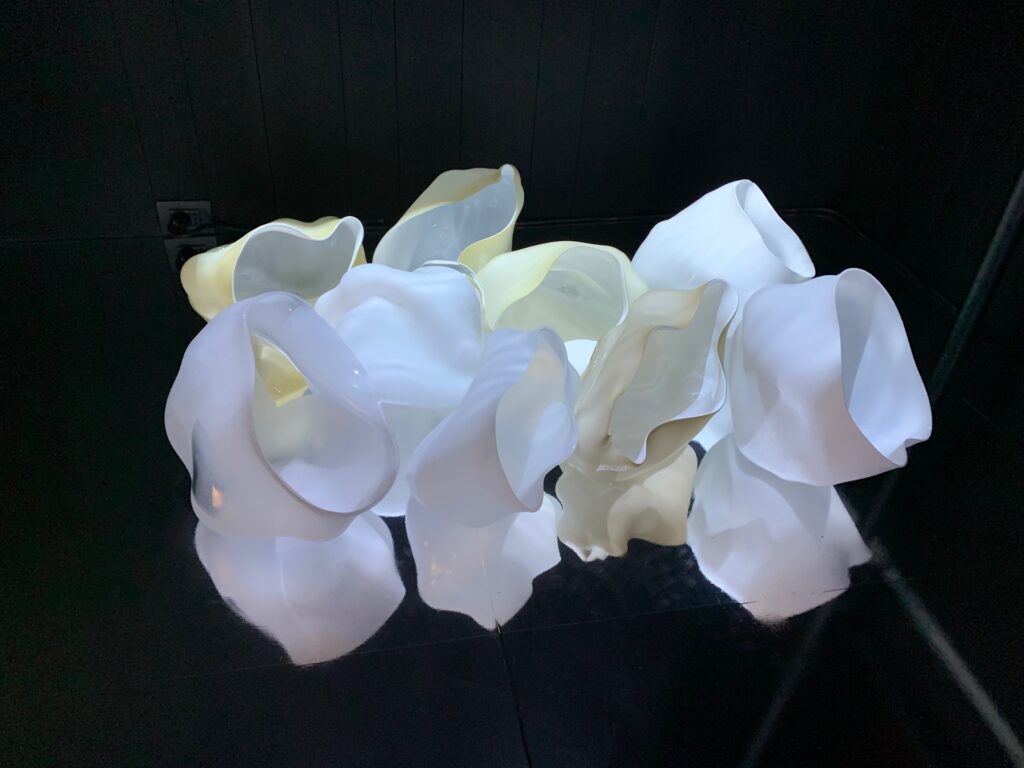
It is also pleasant to note that one of the most visited events is Masterly, the joint exhibition of 80 Dutch designers gathered in the stately Palazzo Turati, little more than 100 meters from the Milan Cathedral. There are quite a few and the Masterly definition of Dutch Design is therefore quite broad.

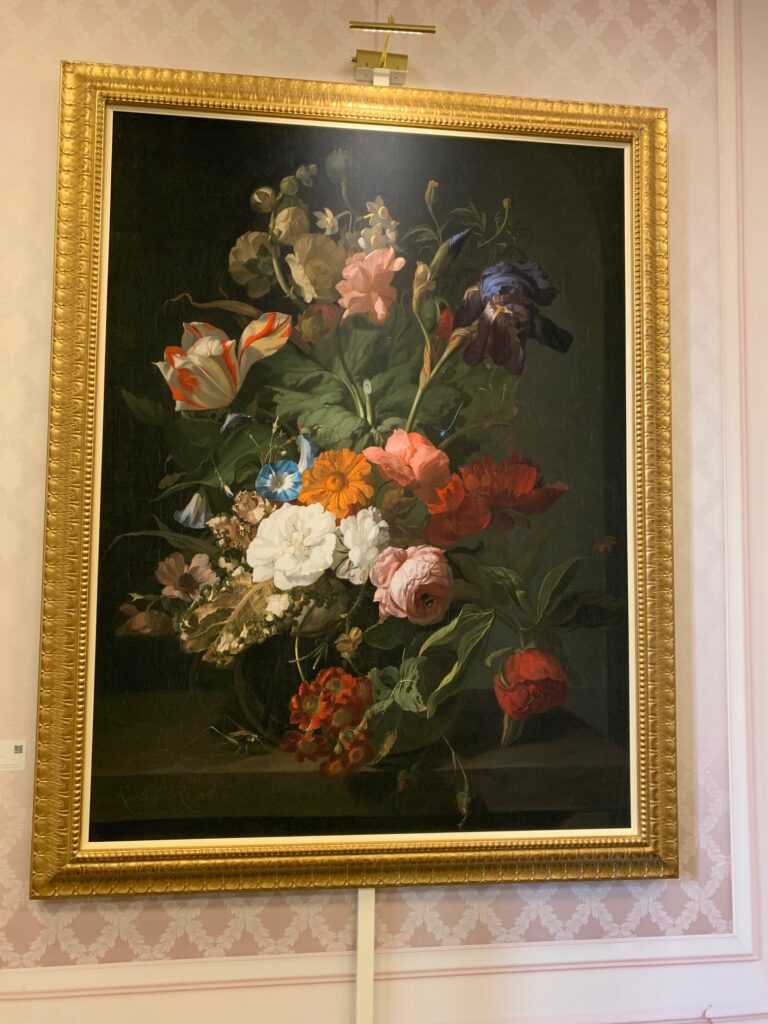
As a result, you can find a fascinating variety in Palazzo Turati, from garden furniture and sophisticated hinges via tapestries, cabinets and high-tech ladies' bags with built-in lighting (useful for navigating the chaos in the dark) to decorative glass sculptures, painterly portraits by Anton Corbijn and computer-controlled replicas of Dutch masters.


Orchids instead of tulips
The layout of this 5th edition, spread over 2 floors with richly painted walls and a roof with a magnificent view over the center of Milan, has largely remained the same, with one notable difference: the tulips that adorned the atrium in previous years have been replaced. by a sea of orchids.

Less typically Dutch, but yes, Design Week this time falls in the autumn and then the tulips don't bloom. The result is no less impressive.
'The Dutch have not abandoned Milan' despite the corona threat, the wrote Corriere della Sera on opening day grateful.
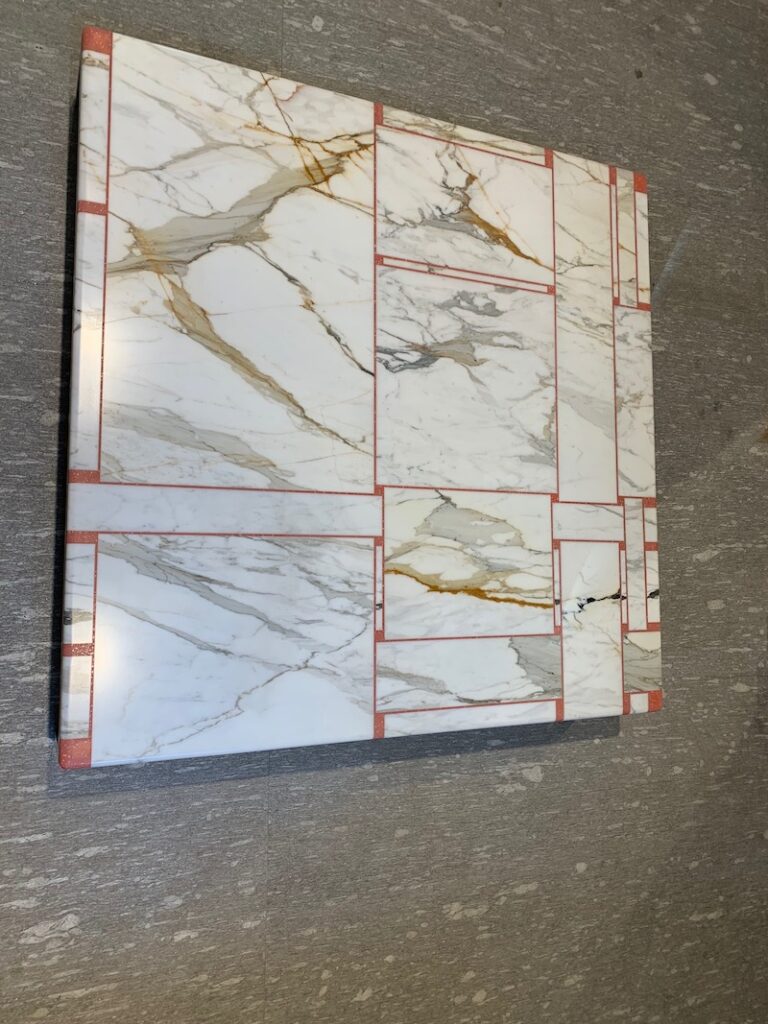
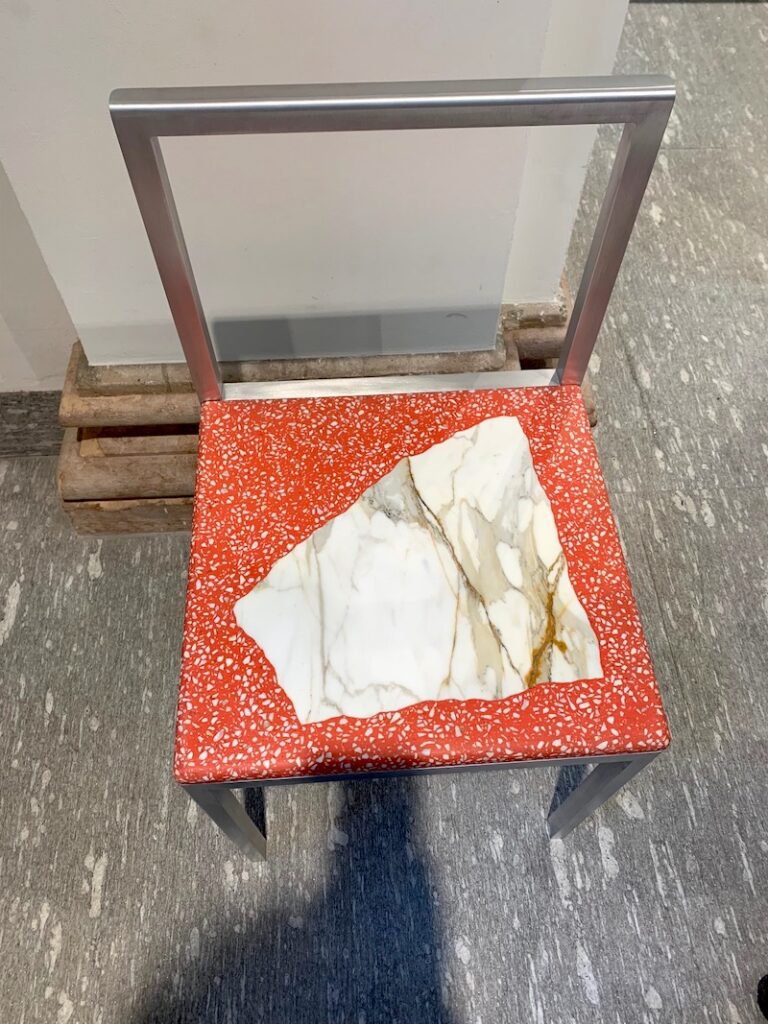
Indeed, among the excess of Italian designers and companies, other countries are much less present. It is true that Belgium and South Korea also screen with their own 'pavilion', but it consists of only 1 or 2 rooms with works by a handful of designers.
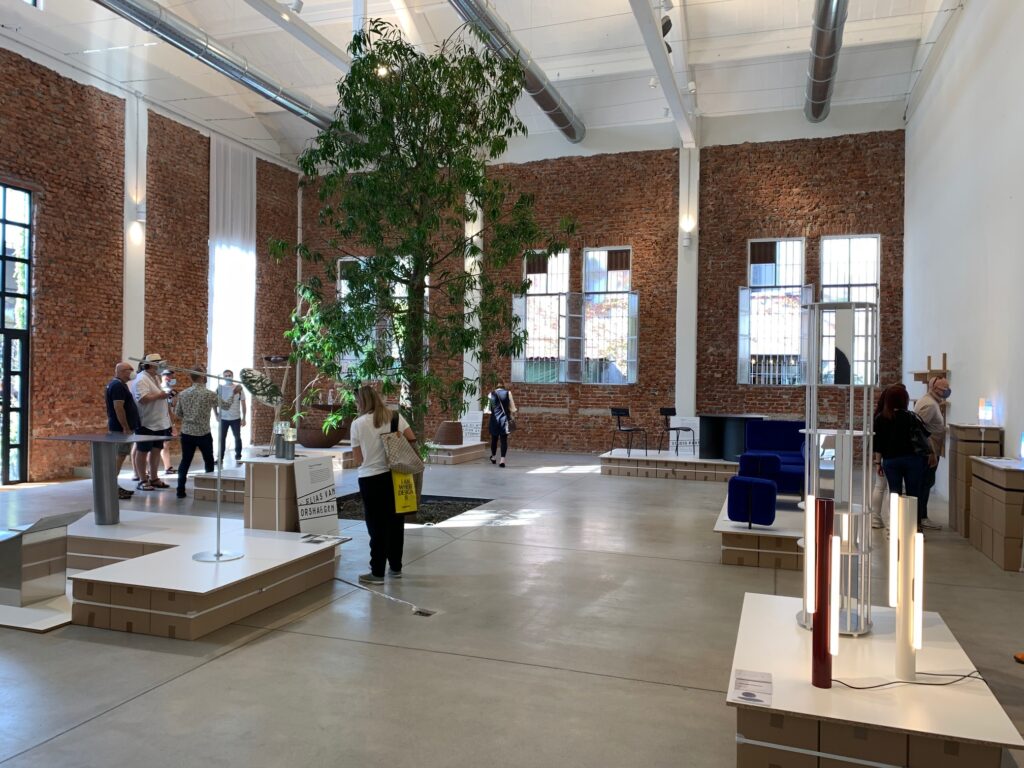
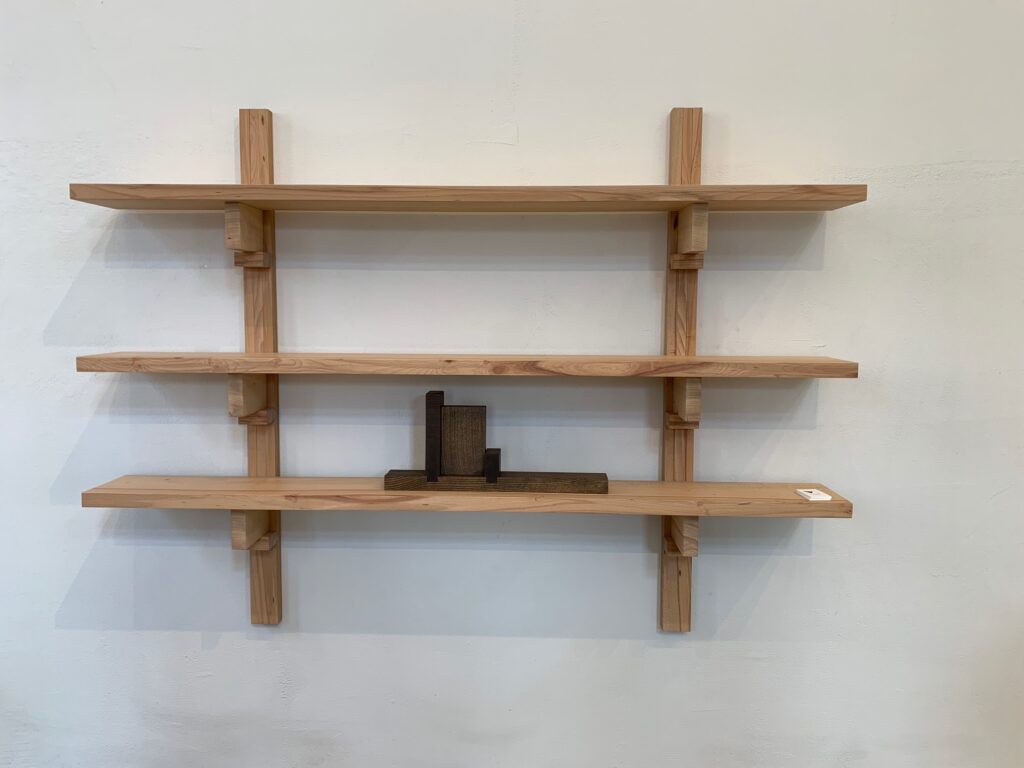
As a result, Masterly, now a household name at Design Week, was also able to count on enormous interest from journalists this year. According to organizer Nicole Uniquol, 'also from Americans and Japanese. We hadn't counted on that at all, but they were there!' she says with satisfaction.

Reason enough to already look forward to the next edition of Design Week, which, if all goes well, will be held again in April. With more participants, even more life in the city and of course with Masterly tulips again.









Comments