

 This Is Italy
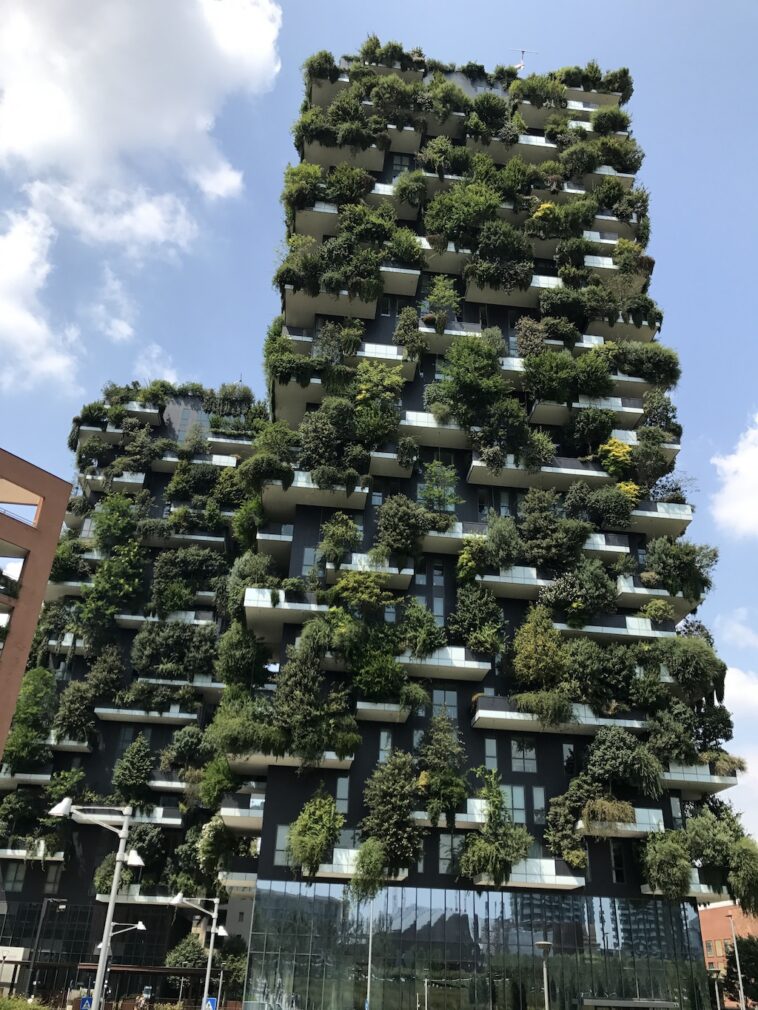
In the bustling metropolis of Milan, where fashion and design come together in a harmonious symphony of modernity and history, stands a remarkable architectural achievement that captures the imagination of visitors and residents alike: the Bosco Verticale, or the Vertical Forest.
Designed by renowned Italian architect Stefano Boeri, the Bosco Verticale is an impressive example of sustainability and innovation in urban development.
The concept consists of 2 towers rising on the Milan skyline, with a lush vertical garden adorning each floor. But this vertical forest is much more than just an aesthetic statement; it is a powerful response to the challenges of urbanization and climate change.

Let's zoom in on some fascinating facts about this green masterpiece:
- An oasis of biodiversity: the Bosco Verticale is home to an incredible variety of plants, including trees, shrubs, and flowers. In total, there are more than 900 trees and 20.000 plants growing on the terraces of the towers. These lush green oases not only contribute to the aesthetics of the building, but they also promote biodiversity and provide a home to various birds and insects.
- Air purification: One of the most striking features of the Bosco Verticale is its ability to purify the air. The abundance of plants contributes to the filtering of particulate matter and the absorption of carbon dioxide, resulting in cleaner and healthier air around the towers. This is especially valuable in an urban environment where air pollution is a common problem.
- Energy efficiency: in addition to improving air quality, the green facades of the Bosco Verticale contribute to the energy efficiency of the buildings. The plants act as a natural sunshade, reducing the need for mechanical cooling in summer and limiting heat losses in winter. This results in lower energy costs and a reduced ecological footprint.
- Water management: the Bosco Verticale has also been designed with attention to water management. Rainwater is collected and recycled for irrigation, minimizing water consumption and reducing dependence on external water supplies. This contributes to a more sustainable and self-sufficient use of natural resources.
- Inspiration for the future: the success of the Bosco Verticale has sparked worldwide interest in the concept of vertical forests as an innovative approach to urban development. Similar projects are now under development in several cities around the world, with the aim of integrating green spaces into vertical architecture and thus improving the liveability of cities.
The Bosco Verticale is therefore more than just an architectural masterpiece; it is a symbol of progress and hope at a time when the challenges of urbanization and climate change are becoming increasingly urgent.
By integrating nature and technology, Bosco Verticale shows that it is possible to create sustainable urban environments that promote both the well-being of people and the health of the planet.

If you visit Milan, don't miss this green masterpiece. The Bosco Verticale not only offers breathtaking views of the city, but it also inspires reflection on our relationship with nature and the way we shape our cities for the future.

A kind of green flats should be built around the city, on abandoned farmyards. Initially, we started with 2 of these types of flats. Irrigation systems have been installed in the structure, allowing shrubs and trees to be planted. This greenery then ensures the absorption of harmful CO2 substances in the air above Milan.
As is known, nature provides oxygen in return. The trees in the buildings drop their leaves in winter, allowing sunlight to enter. Solar panels have also been installed to power the irrigation system, so that the entire construction can be described as sustainable.
Worth knowing about Bosco Verticale
- The trees and plants on the facades have been carefully selected based on their climate resistance and ability to thrive in pots.
- There are more than 40 different types of trees and plants in Bosco Verticale, including fruit trees, flowers and shrubs.
- The vegetation on the facades absorbs approximately 30 tons of CO2 annually.
- The temperature in the Bosco Verticale apartments is 2-3 degrees lower than in the surrounding buildings.
- The project has won several international awards, including the 'International Highrise Award' in 2014.








Comments