

 Lottie Lomme
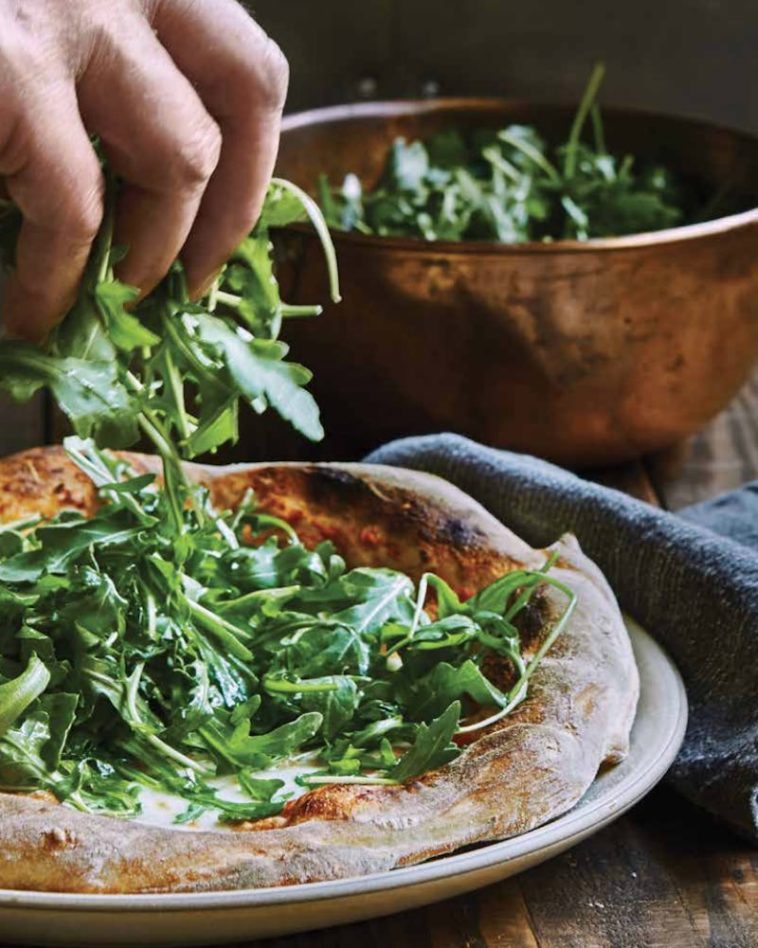
Italy Square has built up a reputation when it comes to baking pizzas yourself. A website full of tips on everything that has to do with pizza. A webshop with pizzastuff. And a pizza book publisher. Now there is this American book in a Dutch translation out at Italy Square: The Pizza Elements.
Ken Forkish
Ken Forkish, owner of Ken's Artisan Pizza in Portland, is an American authority on baking. And especially in the field of baking bread. However, he also started baking pizza and found out that it is a completely different branch of sport.
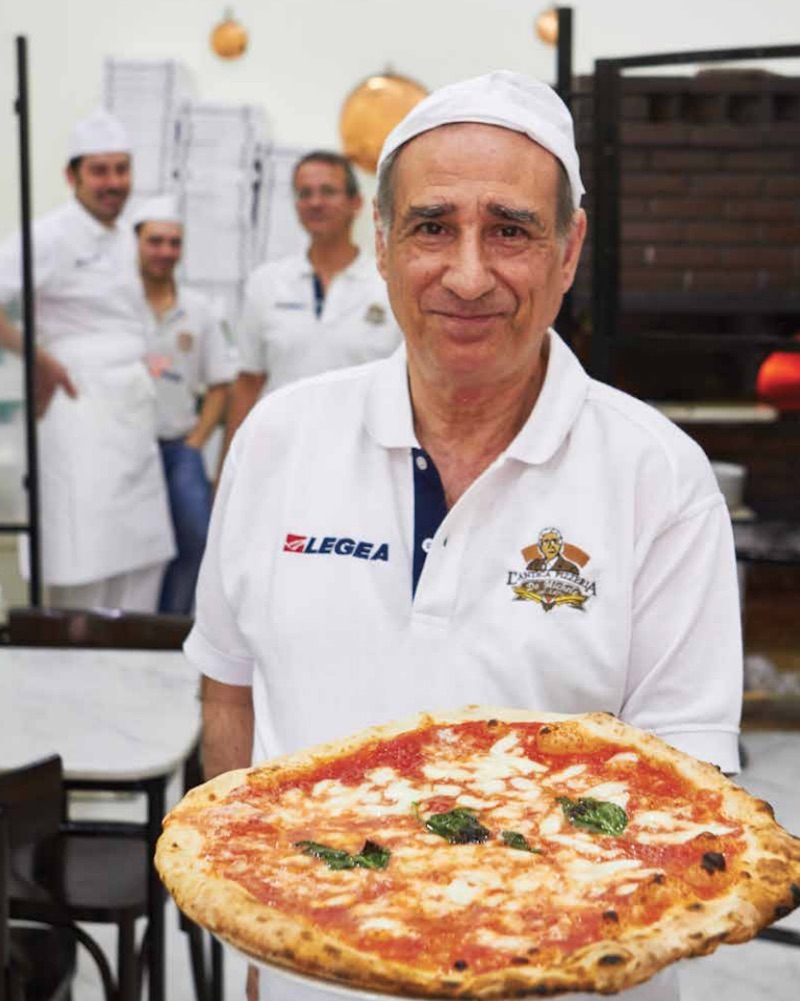
In this book, Forkish talks about his search in various places for perfect pizzas. He visits pizzerias in Rome, Naples, New York and demonstrates that one pizza is not the same. They all have a right to exist and it is precisely these differences in style that make the pizza interesting.
It is not only between the pizza with a thick bottom or airy cornice (edge) from Naples and the thin crust and edging from Rome, but also about, for example, flat bread and al tagliopizzas.
Dough
Half of the book is devoted to making the dough. Not a breeze. I started at home with the dough that I thought was the most attainable and it was called "I overslept but I want pizza dough tonight."
I bought special flour for pizza with the correct W value. It is quite a complicated story why you must have special flower. It has to do with the development of the gluten or the capacity to absorb moisture that determine the result of your pizza.
However, I just couldn't make a cohesive dough from the recipe. After contact with Stefan Tibben from Italy Square, it turned out that it is certainly not for beginners to make a pizza dough with 70% water.
I had to add some flour and couldn't stick to the recipe. You can also go to Italy Square to learn the trade. You can ask Stefan all your questions via social media or e-mail.
Spreads
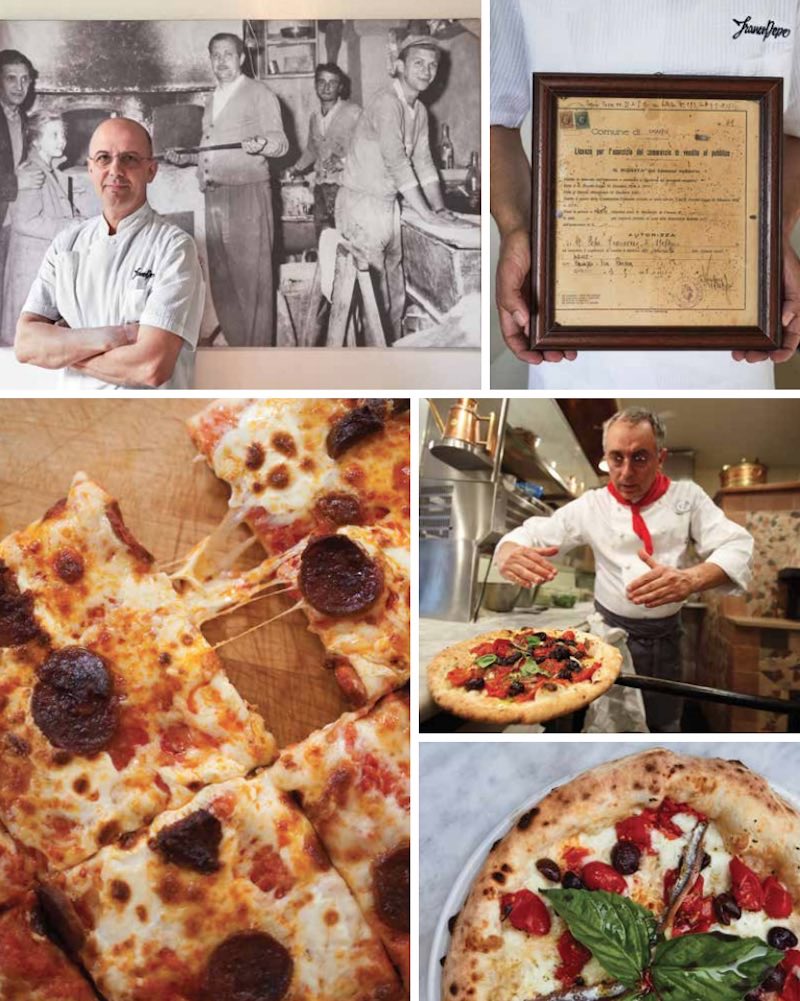
The other half of the book is devoted to different types of siege. In addition, As an American, Forkish also explains how to make vodka sauce, a Brooklyn Hot Honey Pizza or a pizza with meatballs. Of course there are also Italian recipes for pizzas.
The story he tells about those Italian emigrants who adapted and developed their art in their own direction in America is nicely done. I think the story about the moisture content in mozzarella is going a bit too far, but it is a profession and those kinds of details are very important for the people who work with it. For both the professional pizzaiolo as the amateur pizza baker.
The bottom is the hardest
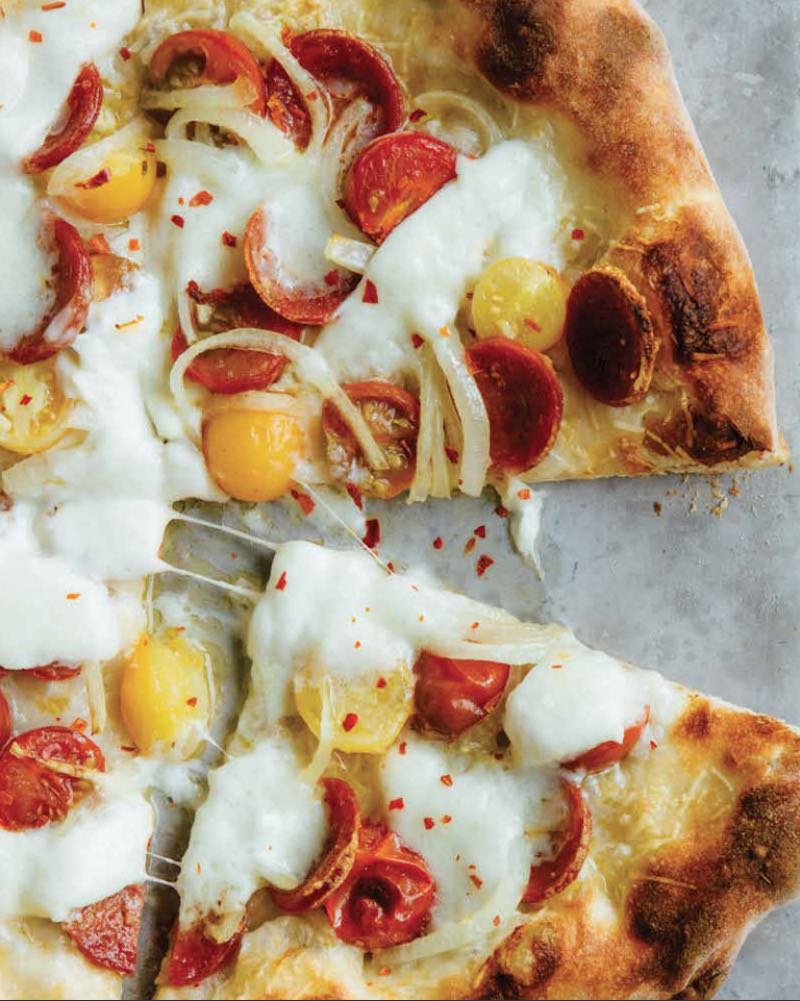
Although the topping is more interesting for many home cooks, honesty compels me to say that the quality of the base is more important for making the perfect (home) pizza. Making the bottom is much more complicated than choosing your toppings.
The final result of the soil is subject to so many factors:
- The properties of the flour, rising times, air temperature.
- But also the temperature of your water, the duration of mixing your dough, the use of a mixer.
- The method of kneading by hand, stretching the dough by hand, the type of oven.
- Whether or not you have a pizza stone, the skill with the pizza shovel.
And then I forgot some things. It really is a complex story that not everyone will listen to. If one factor changes, you will have to adjust another factor for the same result.
Which book suits you?
The Pizza Elements is therefore certainly interesting for enthusiastic pizza bakers who are looking for baking even tasty pizzas. The instructions and tips are detailed and therefore valuable.
However, do you find the toppings more interesting than the dough and don't like American pizza traditions? Then you better get the book Flour, water, yeast, salt buy from Italy Square – the translation of the official Neapolitan pizza association – published 3 years ago. This book has just that little bit more to offer.
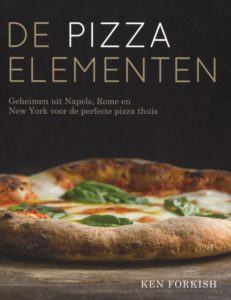 The Pizza Elements (preview copy)
Secrets from Naples, Rome and New York for the perfect pizza at home
by: Ken Forkish
249 pages
€ 29,95
Italy Square, June 2018
ISBN 9789082341737










Comments