

 Aart Heering
It was coming, but now the time has come. All of Italy is locked up and residents are not allowed to leave the house, except to stock up on food. Cafés, restaurants, schools, museums, swimming pools, cinemas and so on, everything is closed until at least 25 March.
Only food stores, pharmacies, newsagents and tobacconists are still open, as long as you only go in with one person at a time. Relocations are only allowed for 'urgent reasons': work that cannot be done from home, support for sick relatives and emergencies. Even a walk is not allowed and the police and carabinieri check whether they are being followed.

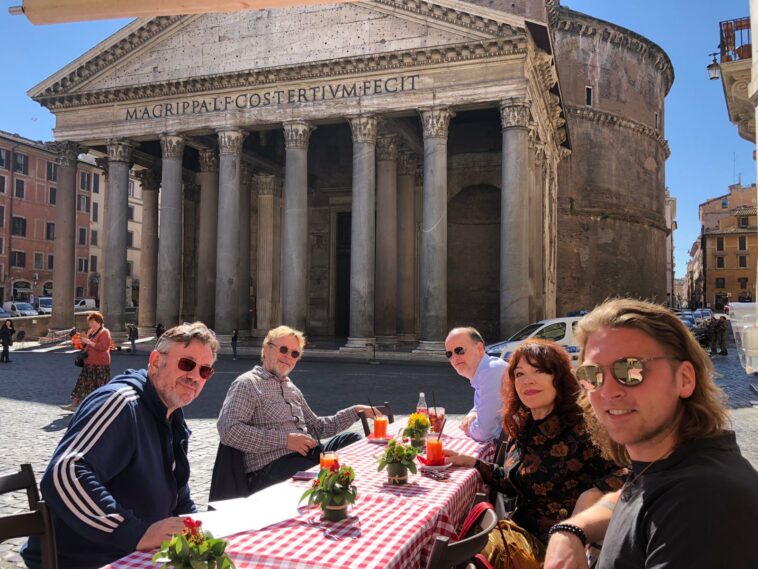
Yesterday we were able to stroll, at least a meter apart, through the almost empty streets of Rome. And have an aperitif in the hauntingly beautiful, deserted Piazza della Rotonda, the square in front of the Pantheon. But that too is now over.

It's a strange sensation, this mild form of house arrest. I've been in similar circumstances before, in Iraq and the Balkans, but there you also ran the risk of being shot in the face if you put it out the door.
You don't notice the enemy Covid-19, but you have to realize that there is also a kind of war situation here. The outbreak is now so massive that there is a serious shortage of intensive care units, resulting in a massacre.

Stopping, reducing and slowing down has not worked and so now only isolation helps. So letting the virus out rage, but without giving it the chance to infect others. And that means keeping people apart as much as possible.
The Italians have understood and almost all seem to follow the strict measures. Earlier guidelines were still taken with a grain of salt, especially by partying young people and 'bastards' (according to the press and public), who left the northern contamination areas at the last minute to also ignite the rest of Italy.
But now that mandatory country-wide regulations with the threat of sanctions are in place, they are widely accepted. Even politicians agree for once. This state of affairs is somewhat reminiscent of the introduction of the smoking ban by Minister Sirchia in 2005. There was a lot of protest against this, but once it was done, it was, and is, almost universally respected.

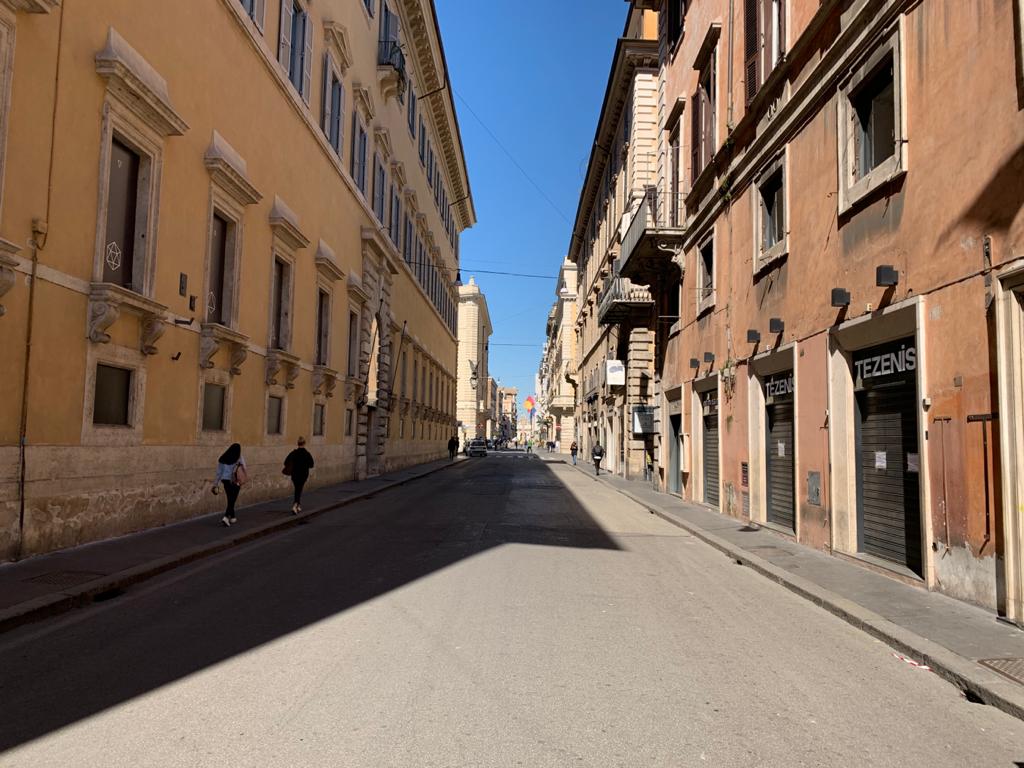
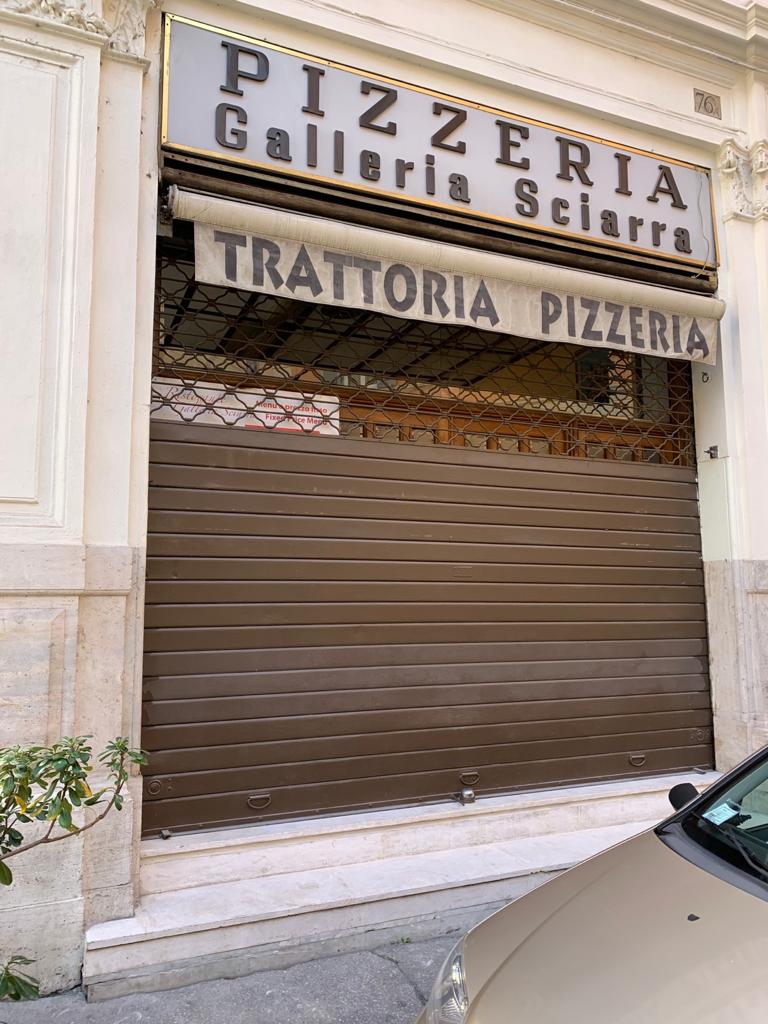
Restaurants closed and Via del Corso Pizzeria closed
So there we are and it will really take a while. That means a drastic transformation of daily habits. First of all, in terms of work. Going to the office is therefore not an option, but with a computer, telephone and Skype meetings you can still do a lot of work.
These largely consist of canceling appointments and events and looking for new dates later in the year. (But how much further?)

There is very little entertainment and social contacts, with everything closed and a curfew. And then the TV has broken down just now, while no mechanic can come and watch it before April 3. An ideal moment to read a meter of unread books.
The roof terrace will also look pico bello in two weeks. Finally, the pantry is well stocked. The government assures that food deliveries will continue as usual, but my Roman wife by definition does not trust the government.
So we are now full to the brim with packs of pasta, rice, flour and a scary kind of organic beans, which I fear we won't be through in another year. But we'll get over that too.
All this makes me wonder when other European countries, where the epidemic started about two weeks after Italy, will take similar measures.

Update measures in the Netherlands March 12, 2020
- Stay at home if you have health problems, such as a cold, cough or fever.
- Events with more than 100 visitors cancelled, including football.
- Limit visits to the elderly and vulnerable as much as possible.
- Working from home throughout the Netherlands, wherever and whenever possible.
- Avoid public transport as much as possible.
- Schools will remain open for the time being.
These measures will remain in effect until March 31.








Comments