

 Steve Smulders
Piacenza (population 100.000) is one of those many small, historic provincial capitals that are all too easy to overlook when visiting Italy, on the hunt for 'the big five' (or six, or seven, etc.). Yet you can spend a pleasant day there with relaxed enjoyment of Italian life and culture.


A dozen highlights:
1. Piazza Cavalli

Every self-respecting Italian city has a beautiful and large central square and Piacenza is no exception.
Here the central meeting place is named after the two equestrian statues (early 17e century) that adorn the square: the horses of Mochi, as they are popularly called after the sculptor who made them.

As horsemen, the third and fourth dukes of Piacenza and Parma are immortalized. Across the square you can see a line crossing the 45th latitude, which should be a symbol of the importance of this city (position exactly halfway the northern hemisphere).
Unfortunately it's not right, the real parallel runs a few kilometers (3 latitudes) south.
2. Palazzo Gothico

The most striking building flanking the square is this pink marble and red brick town hall. It dates from 1281.
Striking are the dovetail-shaped battlements on the roof, which indicate that Piacenza belonged to the Ghibelline – that is, imperial – party in the late Middle Ages.
Numerous popes and German emperors fought for secular power for centuries, trying to win over the mighty northern Italian cities. Throughout that period, the north of Italy was a patchwork of imperial or papal cities, of the Ghibbelines versus the Guelphs.
3. The Dom

Of course, Piacenza also has a cathedral, in this case under the name of Cattedrale di Santa Maria Assunta e Santa Giustina, which is located in its own square, east of Piazza Cavalli.
The building is made of sandstone and marble and dates from the 12the century. Outside, you immediately notice the two marble lions that you often see in Italian churches: they are so-called stilophoripillars, and they symbolize the power of faith as well as Christ himself.
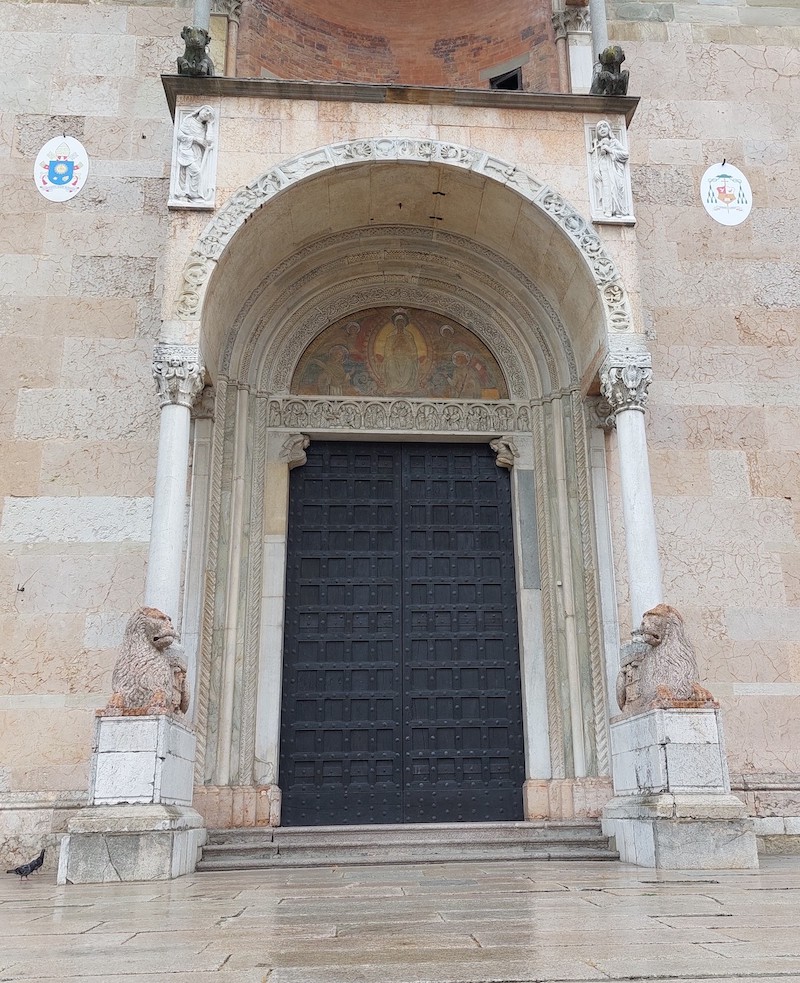
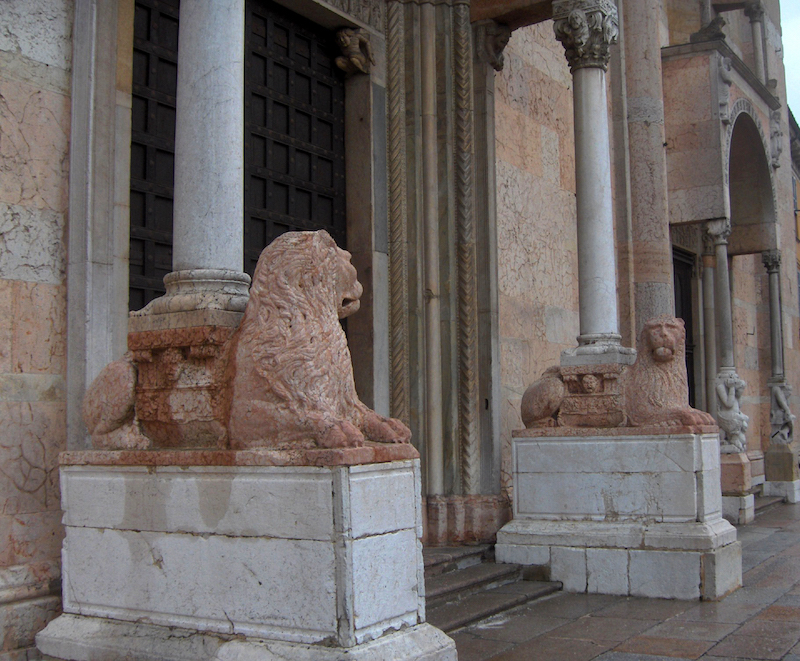
The oldest part of the cathedral is under the choir: the crypt dedicated to Santa Giustina. An iron cage hangs from the tower outside: a nice idea by Ludovico Il Moro to give prisoners some extra fear.

4. The Cittadella Viscontea

In the turbulent late medieval times strong defenses were vital for every city. This also applies to Piacenza, strategically located between northern and central Italy.
In the 14e century Galeazzo II Visconti built an imposing citadel with high walls and 4 round and 4 rectangular towers on the western side of the city, where the important Po River flows.
End of 16e century, Margherita of Austria had the Palazzo Farnese built in the citadel, which now houses several city museums.
In the archaeological museum is the so-called 'Liver of Piacenza': a fine Etruscan bronze model of a liver (ca. 100 BC) with inscriptions that probably served for divination.

5. Teatro Municipale

According to the French writer Stendhal, this theater closely resembling the Milanese Scala was the most beautiful building in Italy.
It is not surprising that it resembles the world-famous Scala so much when you consider that the facade was adapted in 1830 by the architect Alessandro Sanquirico, who for many years provided scenographies for the Milan opera.
Also inside it has the horseshoe-shaped structure known from all Italian theaters with the many-storey high wall of alcoves all around.
6. St. Anthony's Basilica

This church is dedicated to the patron saint of the city and is characterized, among other things, by the octagonal bell tower.
Until the year 850 the basilica functioned as the cathedral of Piacenza, but because it was outside the city walls it was considered safer to have a church within the walls as a cathedral.
In 1183, however, an important historical event took place here: the signing of the Peace of Constance between German Emperor Barbarossa and the Lombard League of Papal Northern Italian Cities, after the crushing defeat of the Imperial Ghibelline troops at Legnano.
7. Via Mandelli

The oldest part of Piacenza is located north of the center, around Via Mandelli. In the narrow streets you can still taste the medieval character of the city in the via San Sisto, via Sant'Eufemia and via Mazzini.
The best preserved medieval house in Piacenza is the all-brick Casa dei Visconti.
In this area you will also find the San Sisto church with the former Benedictine monastery, converted into barracks by Napoleon, as well as the Baroque Palazzo Mandelli, now seat of the Banca d'Italia.
8. Gastronomy
Like every Italian province, the province of Piacenza has its own typical dishes, which are often small variations on comparable dishes from neighboring regions.
Very special of the Piacentese cuisine is the dish that is in the dialect pisarei e faśö hot: a dish with pasta balls and beans in a sauce of back bacon, onions and tomato.

Also separate are the tortelli con coda: a kind of elongated ravioli filled with ricotta and spinach. A delicious but treacherous because heavy starter forms fried dumpling: deep-fried dough pads that you can eat together with meat products from the region (coppa, salame, prosciutto) works inward.

The most typical wine of the region is the Gutturnio, matured from a mixture of Bonarda and Barbera grapes, often slightly sparkling (frizzante).
9. Bobbio

Immediately west of Piacenza, the Trebbia River flows into the Po. Following the Trebbia upstream, you can enjoy the scenery of gentle slopes and extensive vineyards until you finally reach the medieval town of Bobbio.
This is the resting place of the Irish monk San Columbano who lived here in the 7e century founded the monastery named after him, which is said to have been the model for the abbey from the novel The Name of the Rose by Umberto Eco!
Just outside the center of the artistic-looking town is the medieval bridge over the Trebbia. Under and around it is wonderful to dip your toes in the cool and crystal-clear water in summer.
10. Castell'Arquato

The provinces of Piacenza and Parma have an extensive collection of castles, many of which are open to the public, of which Castell'Arquato is one of the most beautiful.
In fact, this is a complete fortress town with CASE en palaces, narrow streets, churches and also restaurants and museums.
In Piazza del Municipio stands the Palazzo del Podestà, with bell tower and again the Ghibelline battlements, and the Collegiata church, largely baroque but with beautiful 15ecentury frescoes immediately right after the entrance.
On the southeast side of the square is the 14ecentury castle with the four towers. From here you have a beautiful view over the plain.
11. Grazzano Visconti
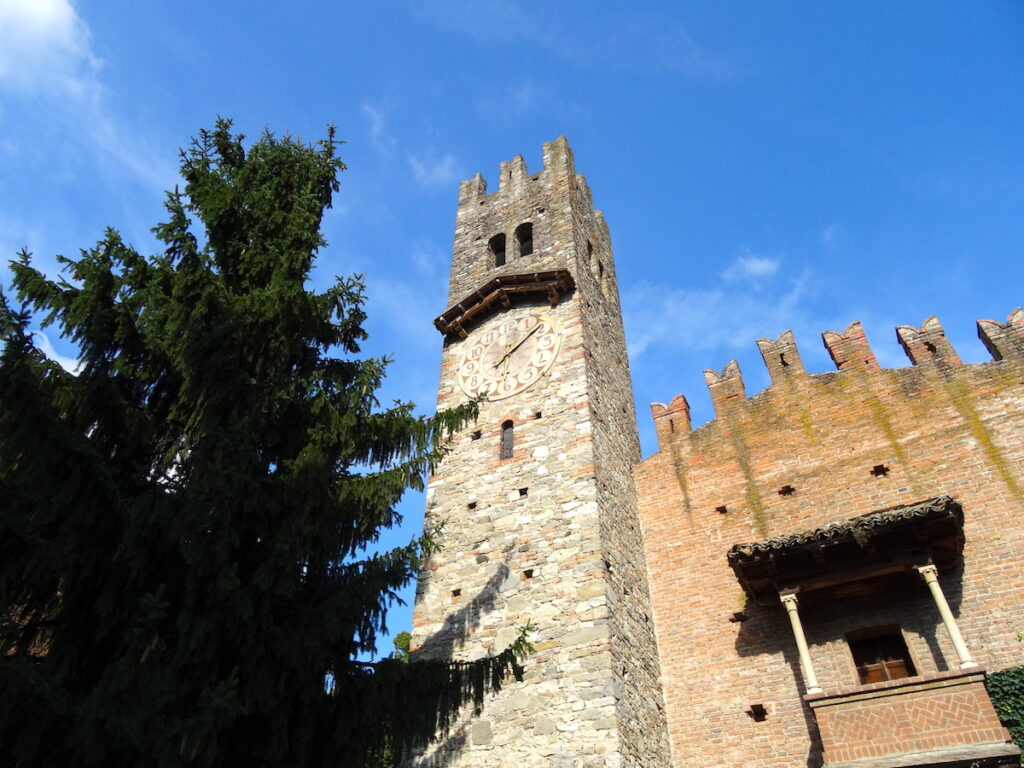

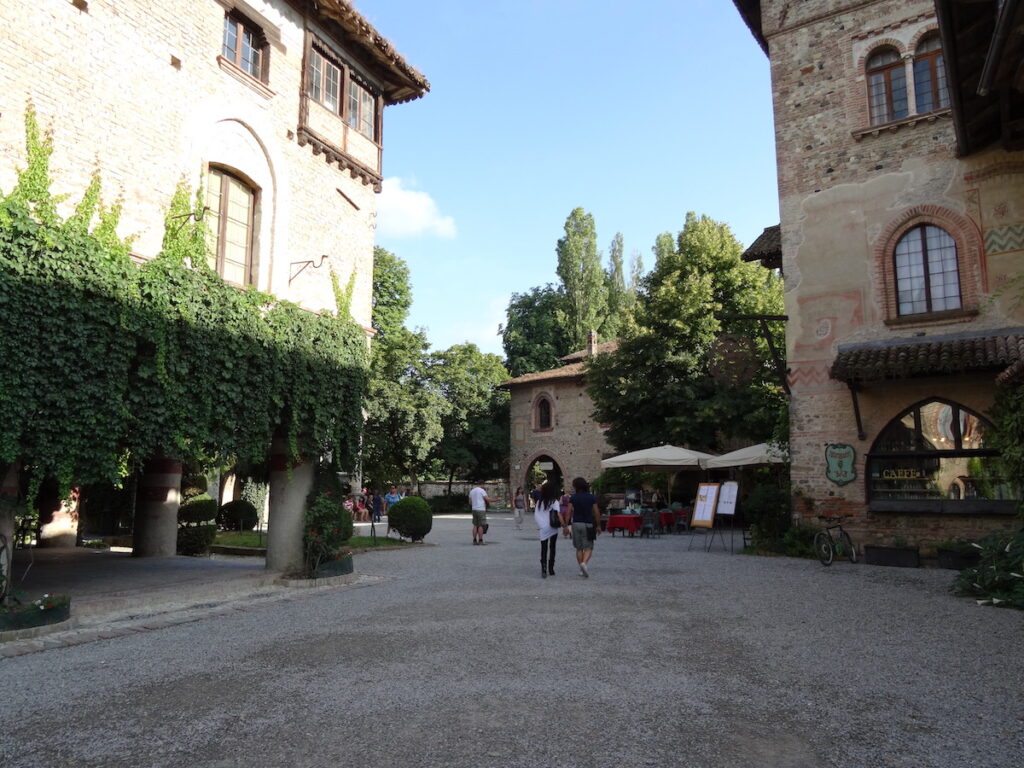


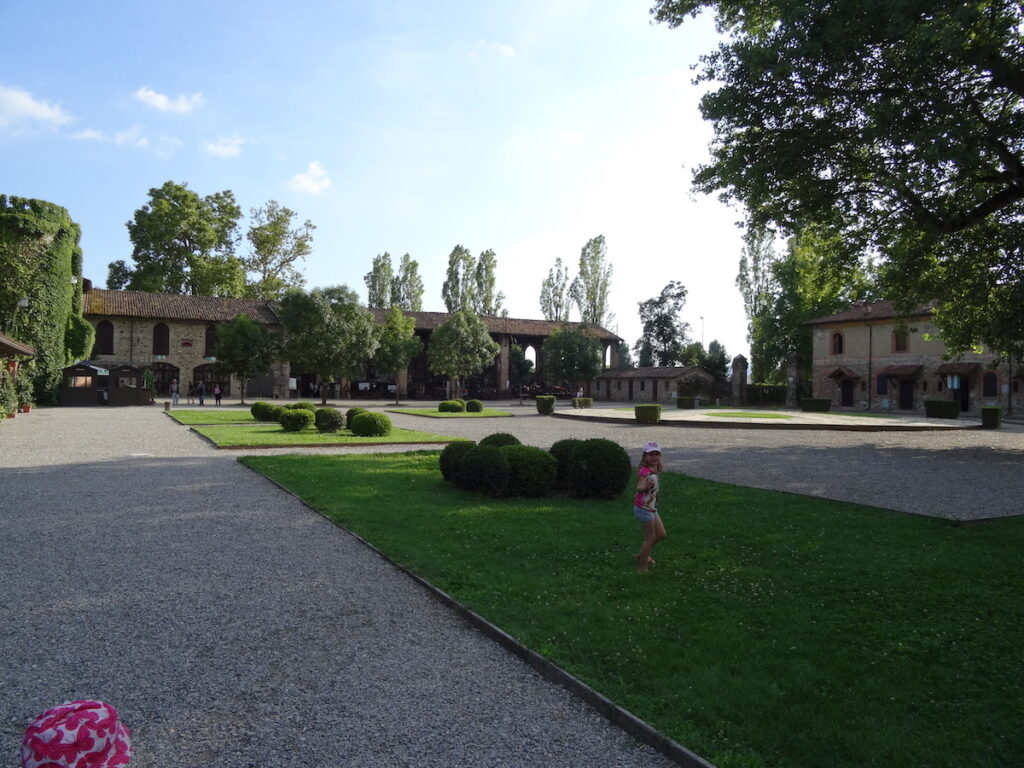


About 15 kilometers south of Piacenza, on the SP654, lies this beautiful medieval-style recreated village.
It is the work of Giuseppe Visconti di Modrone, a Milanese aristocrat, who at the beginning of the 20th century brought his love for architecture, costumes and traditions together around an old castle.
If you are using Grazzano Viscontic When you walk in, you go back 700 years in time. Characteristic are the white alleys, painted facades, elegant porticos and statues inspired by the Middle Ages.
The village's attractions include the castle with the park and the parish church of Saints Cosma and Damiano.

Visit Piacenza
You see: in and around Piacenza there is more to see and experience for a fun day out.

Piacenza is easily accessible from the other major cities of Northern Italy, such as Milan (half an hour by car, you can also take the train), Bologna, Bergamo and also from Turin and Genoa.








Comments