

 Aart Heering
In one of his first appearances as prime minister, Mario Draghi argued that too many Anglicisms are used in Italy. You cannot ignore criticism from such an authoritative source and this is how you see how smart working is gradually being supplanted by agile work. Something similar is now happening with lockdown: instead of the L-word, comes the time-honored Italian term confinement back in vogue. And that is why I will use them in this column.
We are in Rome, and most of Italy, in code red again. But with an important difference: we are allowed on the street, and we do not have to stay within a radius of 200 meters like last year on pain of a hefty fine. We are allowed to practice sports in the open air, and that includes walking with a little good will. The clandestine walks of last year, with quick glances at every street corner behind which an overactive officer could be hiding, are not included this time either and that saves a sip on a drink. All the more so because we can once again make use of one of those great treasures that Rome has to offer: its parks.
About a third of the municipality, 4.500 hectares, consists of urban greenery, nature reserves and landscape parks, some of which – Villa Borghese, Villa Ada, Parco dell'Appia Antica to name a few – are world famous. At the previous confinement, especially near the center, were the parks no-go area, but now you can get a breath of fresh air to your heart's content, especially if thanks to it agile work less glued to your desk chair.
My favorite is the lesser known Parco dell'Aniene, walking distance from my home. This is located in the eponymous nature reserve, which stretches over 650 hectares along this tributary of the Tiber. At the end of the last century this was saved from the building speculation, the savagely advancing revolutionary building of the previous decades, also known as the sacco di rome, the modern looting of the city rivaling the devastation the Gauls inflicted in 490 BC. and the soldiers of Charles V in 1527.
Project developers would still kill for the immense green area, but thanks to the strict parks law and through committees of vigilant citizens, they are now fishing behind the net. This makes the park a popular destination for walkers, joggers, cyclists and Bangladeshi immigrants who play cricket on one of the largest meadows on Sundays. Also in corona time, because due to the enormous surface, the danger of gatherings is only small.

Mammolo Bridge Ponte Nomentana Ponte Nomentana over the river Aniene


A scenic route connects two famous bridges over the Aniene, the Ponte Nomentano Antico and the Ponte Mammolo. The first dates from the early Middle Ages and is known as the place where in the year 800 Charlemagne met Pope Leo III, who shortly afterwards crowned him emperor. The Ponte Mammolo, more than six kilometers away, was built in 1853 by order of Pope Pius IX, to replace an ancient bridge that had been blown up by French soldiers four years earlier.

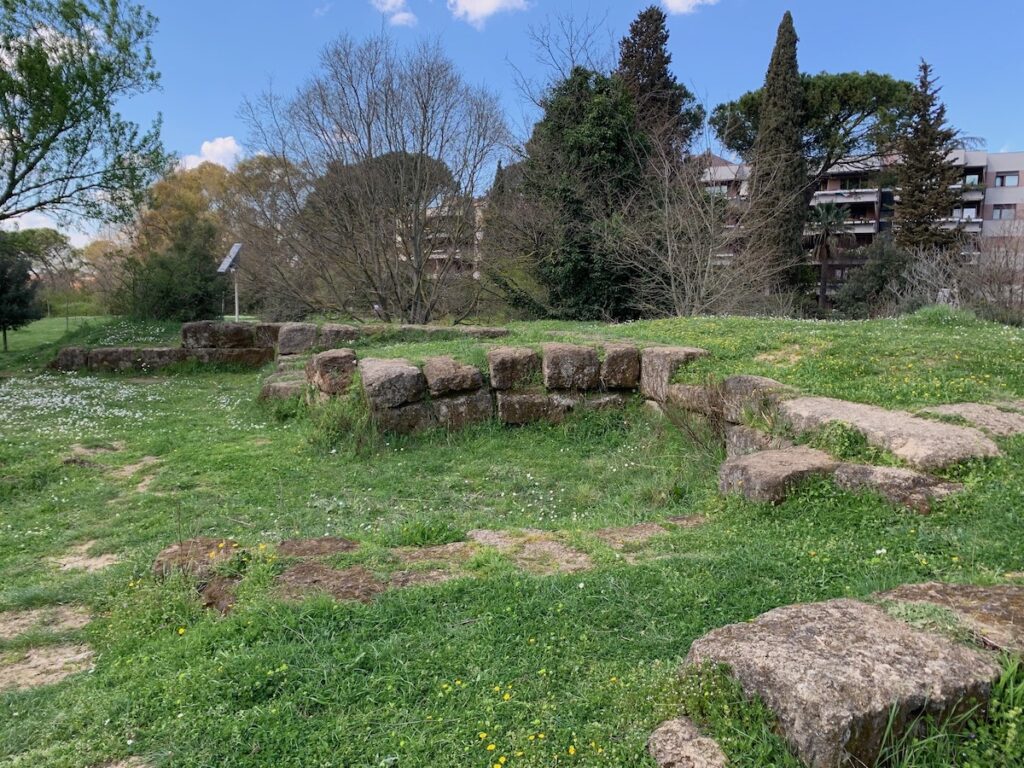
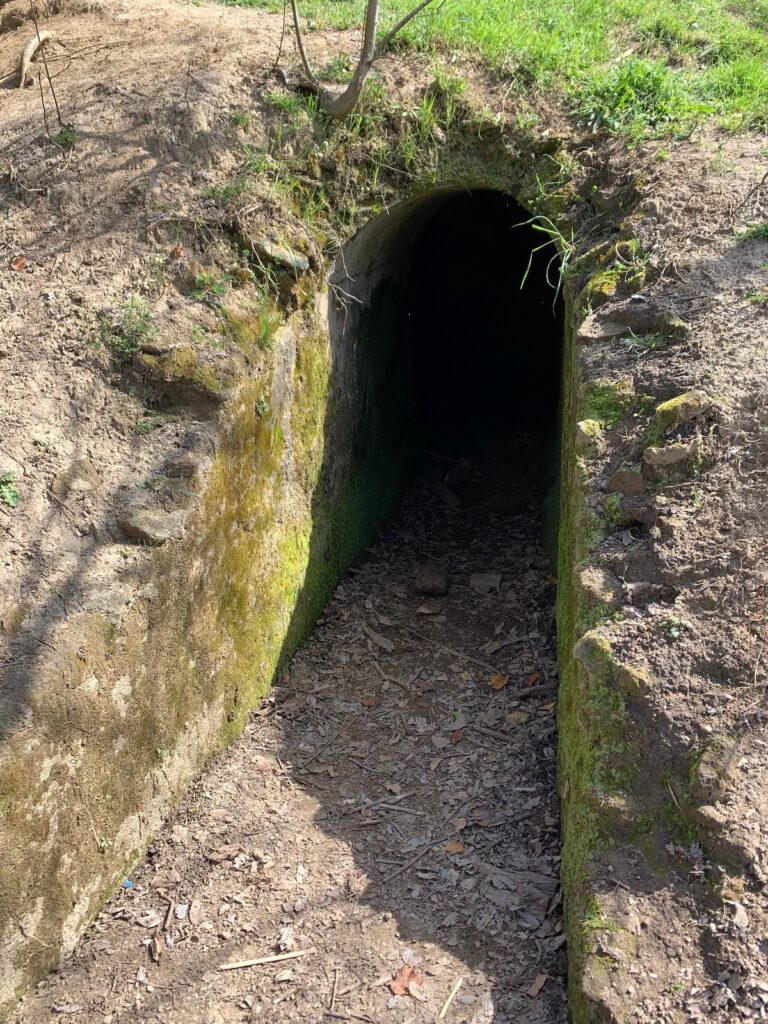
And Rome wouldn't be Rome if you didn't find the foundations of a villa from the 1 . along the waye century, with an underground passage to the tank, the water reservoir, and a little further on an old-fashioned marry him, an farm house.
Remains of a Roman villa from the 1st century A walk to the tank, the water reservoir The program marry him

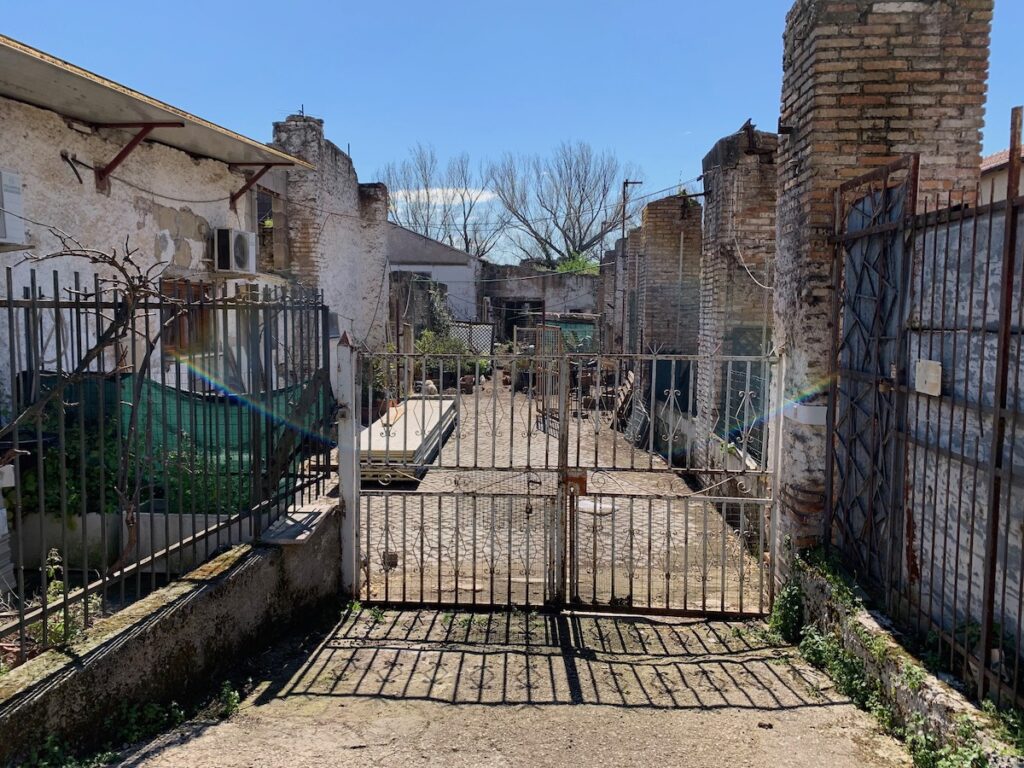
Less elegant are a few slums on the edge of the park, which form a sharp contrast with the modern flats opposite. They are remnants of more than half a century ago, when the outer border of the city still consisted of bidonvilles, which live on in films such as Beggar from Pasolini and Ettore Scola's masterful Ugly dirty and bad. As a testimony to a more recent past, they should therefore remain standing.



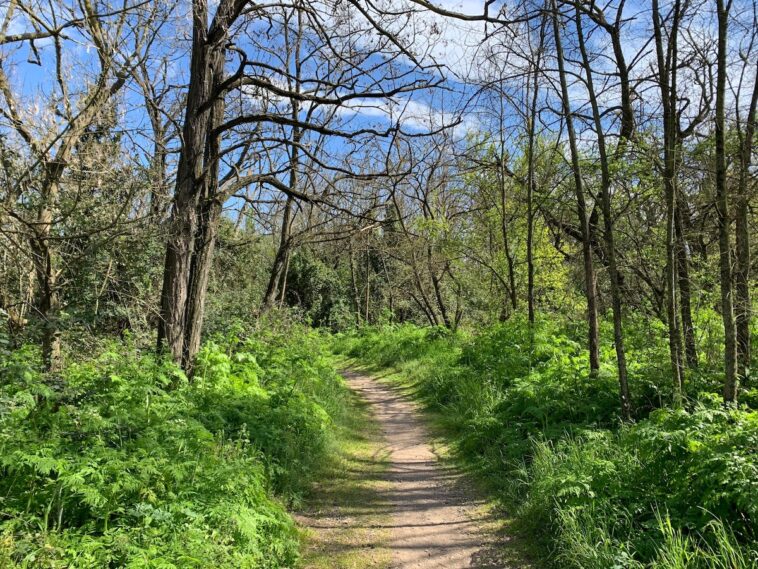
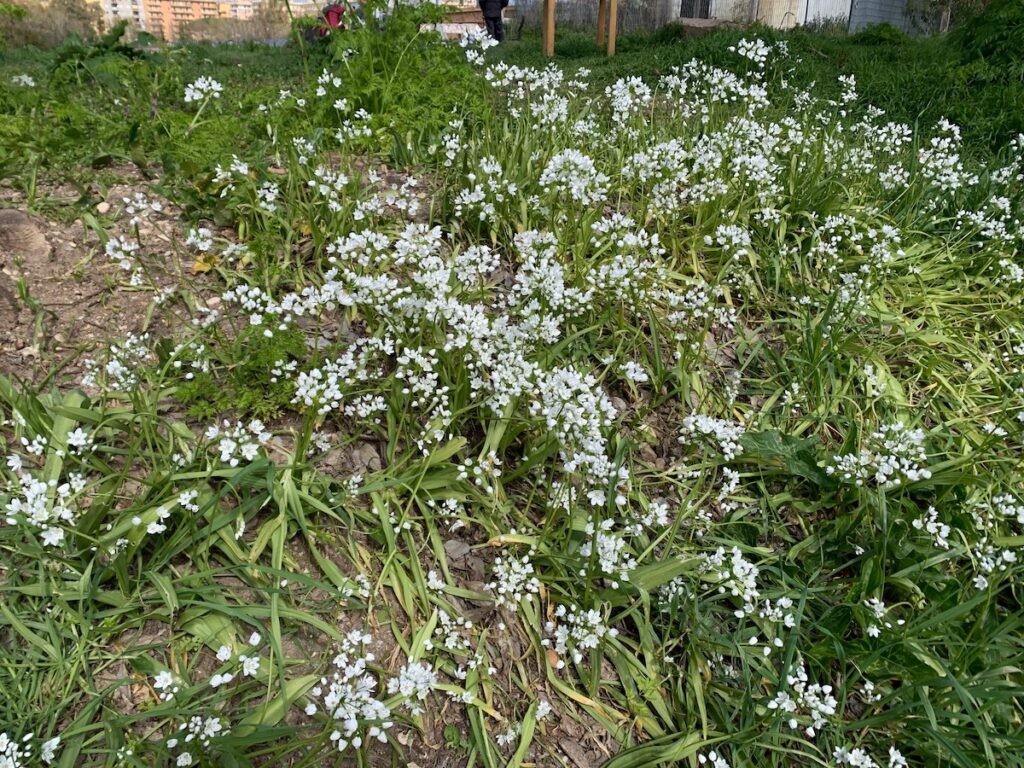
But the best thing about this Roman park is nature. The trails lead through a poorly maintained landscape of lawns, reed forests, undergrowth and tall trees, a kind of small jungle in the middle of the city where all kinds of plants now bloom profusely. Celiac, wild garlic, speedwell, anemone, marigold, mallow, daisy, periwinkle, everything shows itself in all its glory. The trees are also doing their best.
Wide space in the middle of the city Where else can you find this in a metropolis?




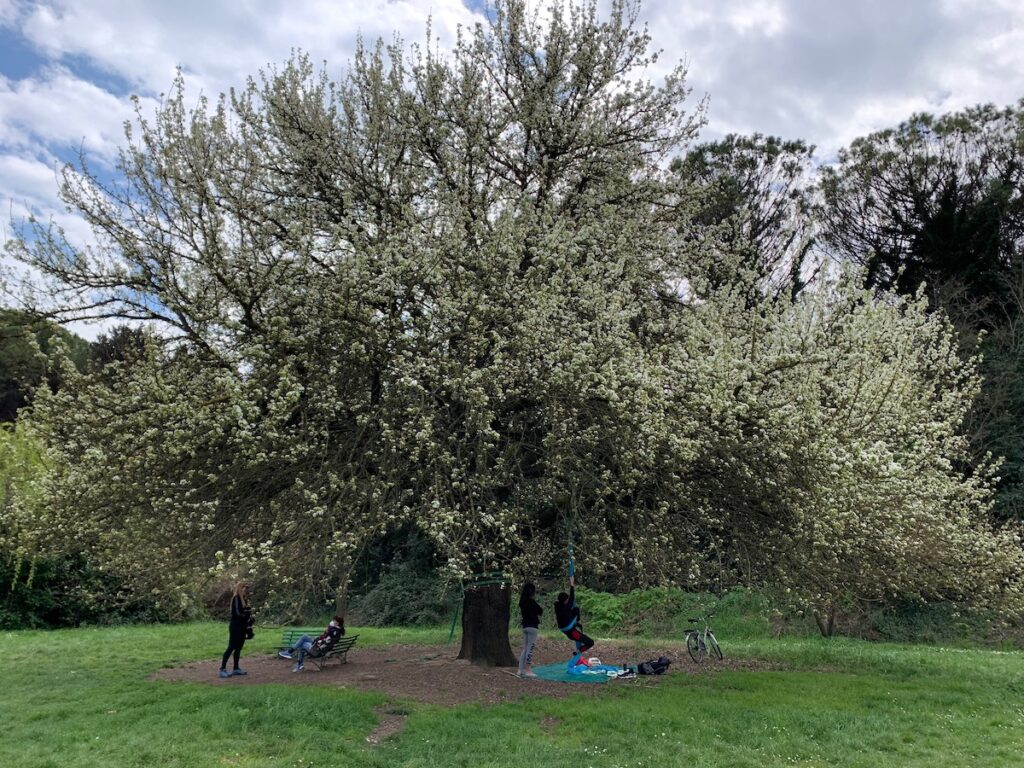
The mimosa has already finished flowering, but the blossom buds of a giant pear tree are about to burst. The carrubia (Carob trees) with their black pods from last year are still waiting for the summer heat.

A spontaneously sprouting young palm basks comfortably in the early spring sun and the wild broccoli, overgrown turnip greens that you can make a delicious paste with, begging to be picked. And it does, if only because they are fresher and smoother in taste than the cultured form you find in the store. In short, a feast for everything that grows and blooms and always fascinates us.


Only the Aniene herself doesn't really participate. The river rises about a hundred kilometers east in the Apennines. At the headwaters, its water is clean and clear, but near the town of Tivoli, it takes on a milky white haze due to waste from travertine quarries being discharged into it.
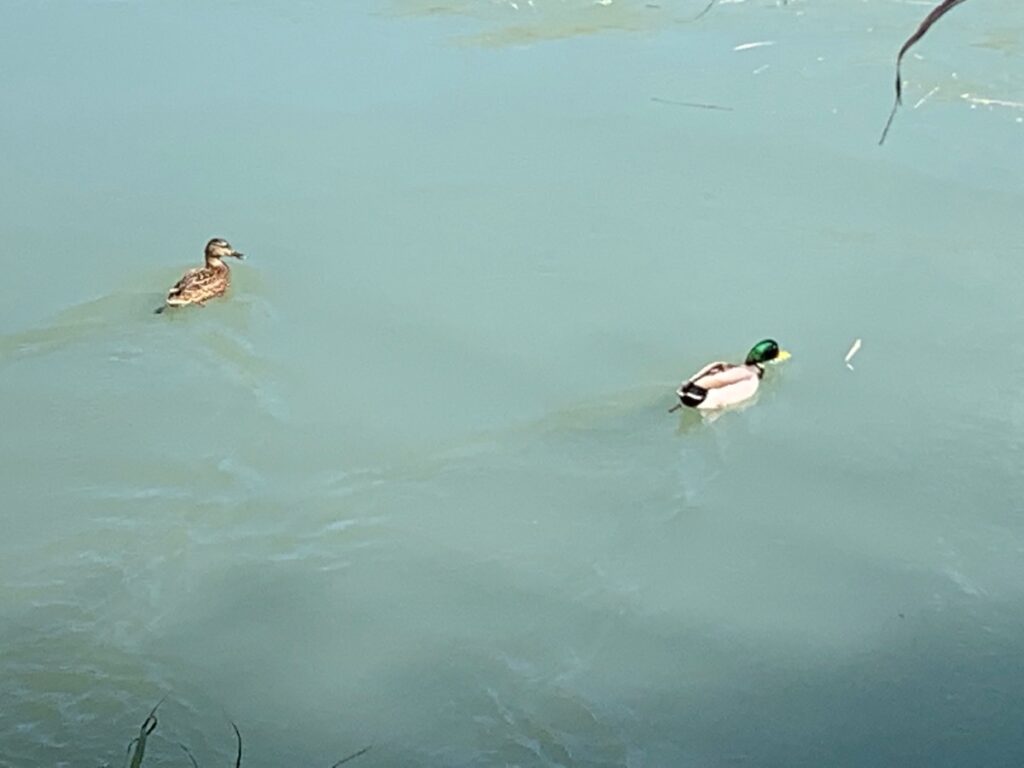


What then collapses before flowing into the Tiber north of Rome is poorly documented but sufficient to cause the occasional massive fish kill. Environmental organizations regularly sound the alarm, but the Region and the municipality do not seem to care much about it. Unfortunately!
Would you like more such Roman tips with cycling and walking routes? Then we recommend our City Guide Rome, with routes through the parks of Rome and much more!
City Guide Rome: 99 Most Fascinating Sights + 12 City Itineraries

In this City GuideRome we give you no less 99 Roman sights which we have clustered in . for the sake of clarity 12 possible walking and cycling routes through the city. You can now purchase the City Guide Rome from This is Italy for only € 7,99. You can download it as a high-resolution PDF immediately after payment. More information








Comments