


 Aart Heering
It's raining in Tuscany. A threatening sky hangs over the tranquil green hills. Vines and olive trees droop their leaves. Cities turn gray under torrents of rainwater. Wild waves pound mercilessly on deserted beaches. And moods darken, too, for precipitation depresses. These are the days when the unsuspecting tourist realizes that even in the land where the lemons bloom, the sun doesn't always shine.
To make sure the day isn't wasted and to prevent the kids from spending the whole day on their smartphones, a trick is needed. And that's possible, as there are plenty of alternatives for outdoor fun. Here are the best tips for a rainy day in Tuscany.
Table of contents
- 1. Visit a special museum
- 2. Go underground 1: the caves
- 3. Go Underground 2: The Mines
- 4. Tour of the Carrara marble quarries
- 5. Visit a spa
- 6. Indulge in wine
- 7. Take a one-day cooking course
- 8. Go to an indoor market
- 9. Singing in the rain
- Some more rain tips for Florence and the surrounding area
- Visit the Uffizi in Florence
- Michelangelo's David in the Accademia
- Discover the Museo Galileo, also in Florence
- Palazzo Vecchio: art and history
- Discover the palaces and villas of Florence
- Sculpture in the Bargello
- Exhibitions at Palazzo Strozzi
- La Specola: natural history in Florence
- Libraries and bookstores
- Designer outlets and shopping
- Churches and basilicas
- Theatre and opera
- Play escape rooms
- Movie afternoon or evening in a historic cinema
- Take a nice car ride
- Stroll through the most beautiful hill towns (with umbrella)
- The Aquarium of Livorno
- Indoor markets and food halls
- Cheese and chocolate workshops
- Painting ceramics
- Italian cookbook hunt
- Indoor sports and climbing halls
- Castles and villas
- Escape rooms and game cafes
- Photography or painting workshop
- Tea and coffee bars
- Wellness at an agriturismo
- Glass wine tasting in Montecarlo
- Cathedral of Siena
- Discover smaller museums in other cities
- Go underground in Tuscany
- Choose dolce far niente
- Extra tips for a rainproof day in Tuscany
- Conclusion: rain isn't that bad
1. Visit a special museum
The museum isn't very original, I admit, but then you should opt for those remarkable smaller museums that Tuscany is littered with and that are never crowded. A few examples: the Natural History Museum (Museo di Storia Naturale – La Specola) in Florence, where you can see, among other things, a stuffed specimen of the extinct Tasmanian tiger.
The Wine Museum (Museum of Vine and Wine) in Rùfina, where the Chianti Rufina comes from (only on weekends).
The program Piaggio Museum in the old Piaggio factory in Pontedera, with all the scooter models the company ever produced. The Truffle Museum (Truffle Museum) in San Giovanni d'Asso.
And for the horror there is the Torture Museum (Torture Museum) in the fitting medieval setting of San Gimignano and Volterra.
2. Go underground 1: the caves
In the Alpi Apuane, the mountain range in northwestern Tuscany, which, contrary to what the name suggests, has nothing to do with the northern Alps, a series of impressive caves are open to the public. The most visited is the Corchia cave (which is also recommended as Grotta Turistisca), with 70 km of corridors along stalactites, stalagmites and subterranean lakes.
Also in the Wind cave and the Cave at the Wave Guided tours are provided, allowing you to comfortably shelter for an hour or two.
3. Go Underground 2: The Mines
Like many other Italian regions, Tuscany also has a rich mining history. The extraction of metals such as lead, mercury, copper, and iron has come to an end in recent years, and some of the abandoned mine shafts are now tourist attractions.
A few examples: the Mine of the Soul and the Mining Museum Park from San Salvatore Monte Amiata (the highest mountain in Tuscany), both in the province of Siena; the Miniera Argento Vivo (mercury) in Levigliani in the province of Lucca; and the one exploited until 1981 iron mines of the island of Elba.
4. Tour of the Carrara marble quarries
The world-famous white Carrara marble is quarried in the mountains surrounding the city. Centuries of quarrying have created deep craters through which you can now you can be guided around by jeep.
Local companies such as Cavedimarmotours, Lunaetours and Tour in 4×4 Cave di Marmo organize this for tourists. With or without a taste di Lardo di Colonnata, a tasting of the marble-bath-matured bacon that traditionally formed the basis of the diet of the marmisti (marble cutters).
5. Visit a spa
If you're going to get wet, then indulge. In several places in Tuscany, warm water bubbles up from the ground, where ancient Romans would soothe their weary limbs. A few of these spas are still popular today.

The largest and most famous complex is that of the Terme di Saturnia in the southern Tuscan hills. No less famous are the Chianciano spa, if only because of the Chiusi Chianciano Terme exit where anyone who has ever taken the autostrada from Florence to Rome has taken, has passed by. Elsewhere in Tuscany, there are still about 10 thermal baths in use, often as part of a hotel.
6. Indulge in wine
Enjoy tasting good and excellent Tuscan wines with a group of like-minded people (and pretend you know everything about them). You can certainly do that in good weather, but when it's pouring, it's even more cozy. I won't give you a bunch of examples here, because wine is grown everywhere in Tuscany, and producers open their cellars everywhere. So wherever you are, Google can find you the nearest wineries. tasting point out. Include the prices, because that's something you should pay attention to.
For a simple tasting without frills you can go for 15 euros, but if you want it nicely dressed, like a kind of brunch based on wine, cheese, sausage, olive oil and toast, then it becomes more and there is actually no upper limit.
By the way, a rainy afternoon is also ideal for a few cellars (wine cellars) in search of the wine of which you want to take home a few cases or a large bag-in-box.
7. Take a one-day cooking course
In Florence, Siena, Lucca, or Livorno: in the wake of countless cooking and food programs on TV and social media (preferably featuring a cooking nonna), courses have started everywhere in town and country where local (professional and amateur) Tuscan chefs can teach you the tricks of the trade.
The most serious ones last 1 or 2 weeks, but one-day and half-day classes are also offered. You can find Florentine courses on Tripadvisor training courses from 2 to 4 hours follow for preparing fresh pasta or tiramisu for only 45 euros, with the added attraction unlimited wineWhether this will truly strengthen culinary skills is the question, but it will undoubtedly be a cheerful affair.
More expensive but more thorough are the one-day courses of the collective's chefs www.cesarine.com, which became world famous when 3 cesarine A few years ago I applied for a job as a chef at the White House.
8. Go to an indoor market
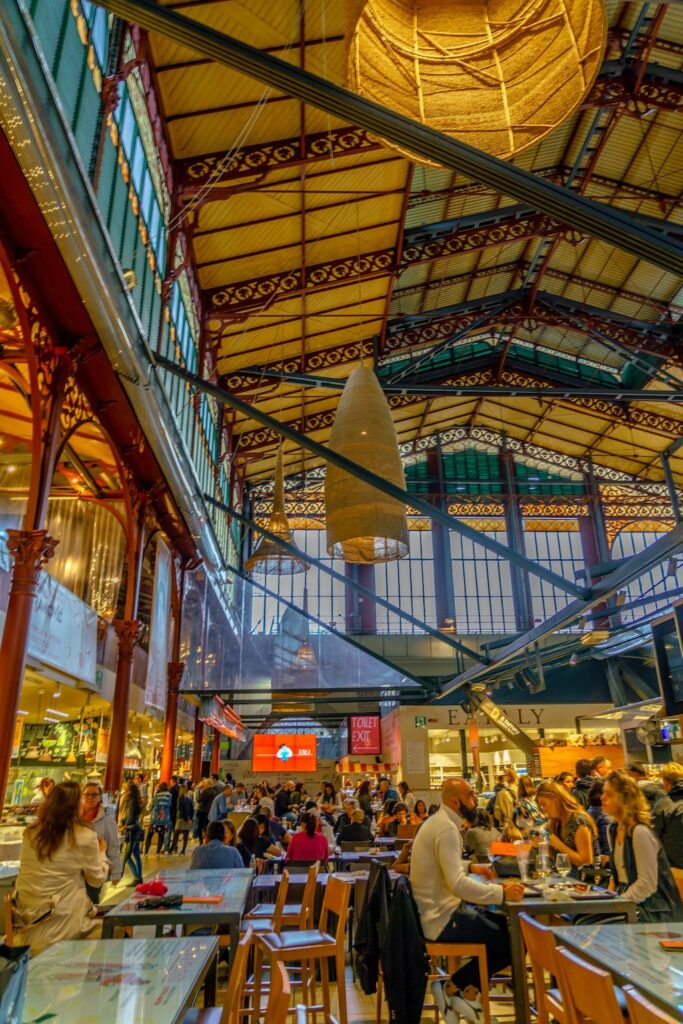
The most beautiful covered market in Tuscany, and perhaps in all of Italy, is the historic Mercato Centrale of FlorenceOn the ground floor you will find a wonderful variety of stalls with daily food, regional products, delicacies and streetfood, while the upper floor houses bars and restaurants, where many a morning aperitif is enjoyed. The ideal place to spend a few hours when it gets chilly and bleak outside.
The same can be said for similar gastronomic centres such as the covered markets of Livorno (the Mercato delle Vettovaglie), Lucca and Pisa.
9. Singing in the rain
Assuming we're not made of sugar, you can simply ignore the rain. And then there's nothing wrong with heading out even if the weather doesn't cooperate – suitably dressed, of course.
Strolling through the Maremma, climbing Monte Amiata, crossing a deserted Piazza del Paglio in Siena, and staring in fascination from the Ponte Vecchio at raindrops crashing in the Arno, Isn't that beautiful too? Especially when you relax in a warm room afterwards with a hearty pasta dish and a good glass of Chianti. That's Tuscany too.
Some more rain tips for Florence and the surrounding area
One of the best tips is to head to the big city when it rains. Florence is a perfect option in this case. Florence has so many sights to see that you can easily survive a few rainy days.
Visit the Uffizi in Florence
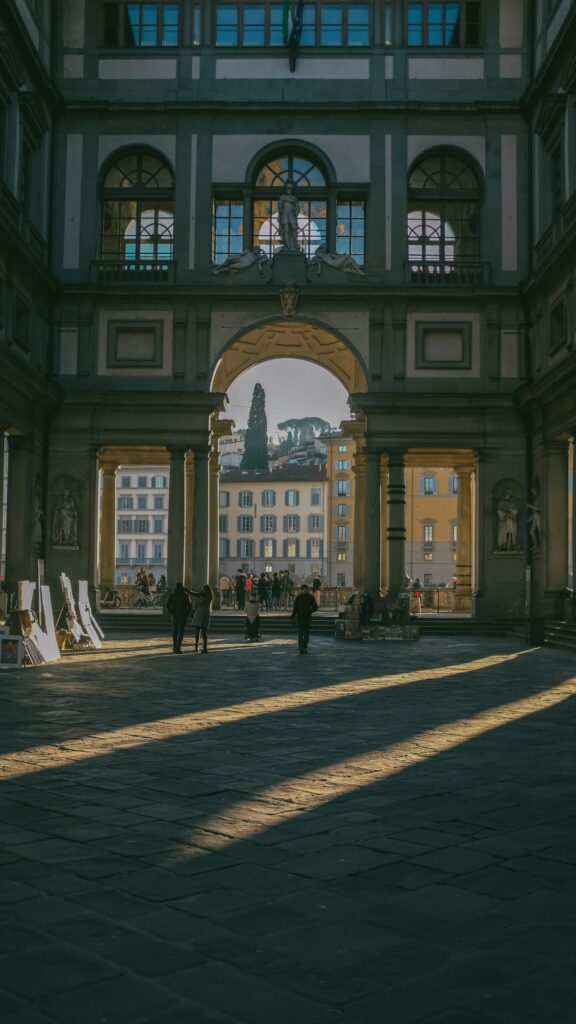
The Uffizi Gallery is one of the world's most famous museums. Here you can admire masterpieces by Botticelli, Leonardo da Vinci, and Michelangelo. Because the museum is so large, you can easily spend half a day there. Book your tickets in advance to avoid long lines (so you should really plan ahead for a rainy day).
Michelangelo's David in the Accademia
While you're in Florence, don't miss the Galleria dell'Accademia. The world's most famous sculpture – Michelangelo's David – shines here in dazzling white. Michelangelo's Slaves and an impressive collection of Renaissance paintings are also worth a visit.
Discover the Museo Galileo, also in Florence
For science enthusiasts, the Museo Galileo is a treat. You'll find vintage telescopes, globes, and instruments that demonstrate how the world was discovered. Perfect for families with curious children.
Palazzo Vecchio: art and history
The imposing Palazzo Vecchio is Florence's town hall and a true work of art in itself. Admire its richly decorated halls and climb the tower for stunning views (if it's dry).
Discover the palaces and villas of Florence
Besides the Palazzo Vecchio, you can also visit the Medici villas or the Palazzo Pitti, home to magnificent art collections. It's the perfect way to spend an afternoon delving into the history of the Medici family.
Sculpture in the Bargello
The Museo Nazionale del Bargello is the premier museum for sculpture. It features works by Donatello, Cellini, and of course, Michelangelo. A must-see for Renaissance art enthusiasts.
Exhibitions at Palazzo Strozzi
The Palazzo Strozzi hosts regularly changing exhibitions, often featuring modern or contemporary art. It's a nice change of pace if you're looking for a change from Renaissance art.
La Specola: natural history in Florence
This museum is one of the oldest natural history museums in the world. It features impressive collections of animals and anatomical wax figures.
Libraries and bookstores
The Biblioteca delle Oblate has a beautiful reading room with a view of the Duomo. Many bookstores have cafés where you can relax with a cappuccino. In Lucca, you have the beautiful State Library of Lucca.
Designer outlets and shopping
Is it raining? Shopping is always possible! Just outside Florence lies The Mall, where you can find designer brands at significant discounts. The city center also has plenty of boutiques.
Churches and basilicas
Florence's Duomo, Santa Croce, and Santa Maria Novella are wonderful places to hide on a wet day. Siena's cathedral is also highly recommended.
Theatre and opera
Check out the program at the Teatro della Pergola or the Teatro del Maggio Musicale Fiorentino. An evening of opera or classical concerts is a truly special experience.
Play escape rooms
Florence has several escape rooms with themes around the Renaissance and Leonardo da Vinci. Perfect for an active afternoon indoors.
Movie afternoon or evening in a historic cinema
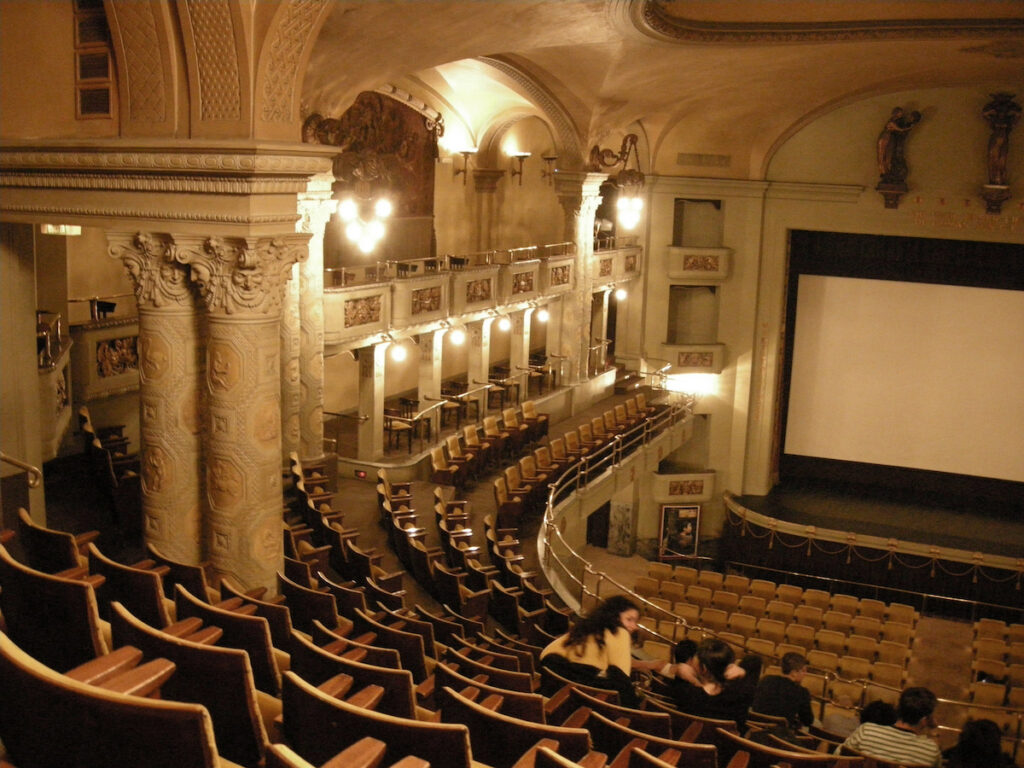
Watch an Italian film at Cinema Odeon, a beautiful cinema in a historic building in the heart of the city.
Take a nice car ride
Even in rainy weather, the Tuscan landscape is beautiful. Make a sandwich beforehand or stop for lunch at a bar along the way. Plan a scenic route where you can enjoy the Tuscan landscape from the comfort of your car. With a bit of luck, it will dry out along the way, so you can stretch your legs.
Stroll through the most beautiful hill towns (with umbrella)
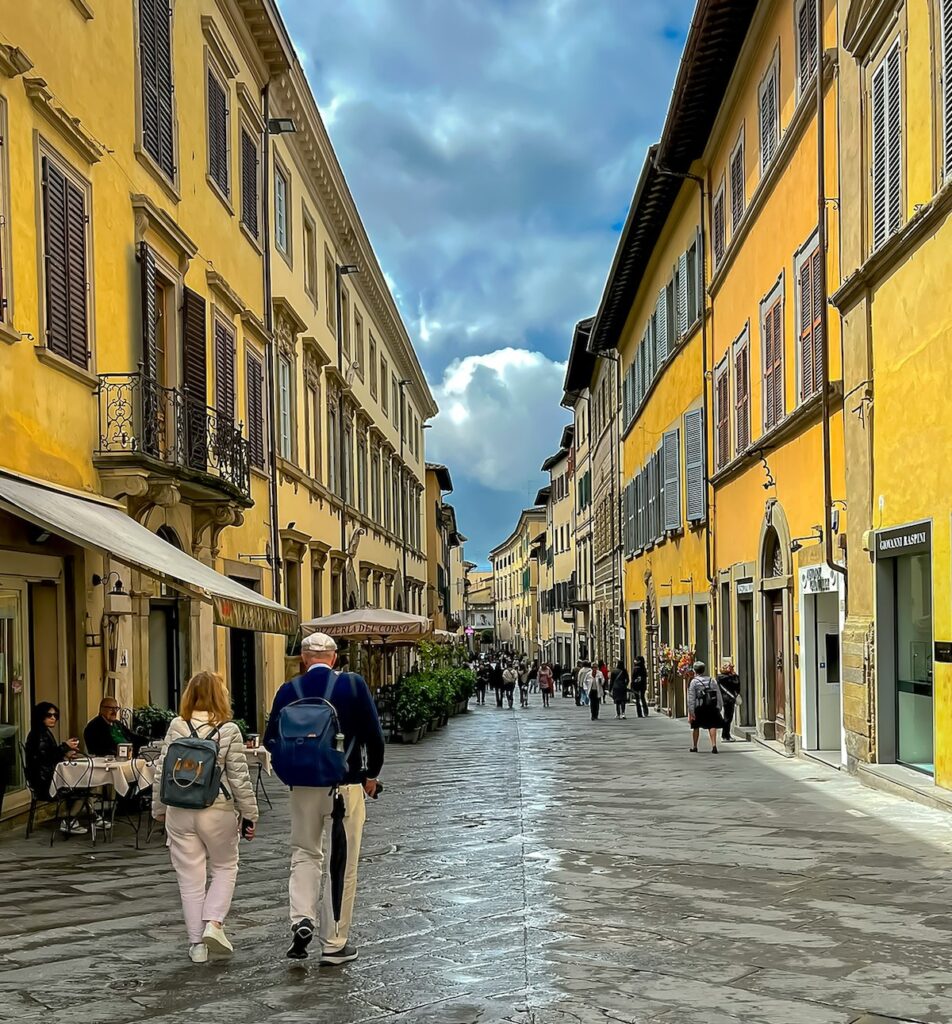
Speaking of stretching your legs: even in the rain, it's worth visiting Pienza, Montepulciano, or Orvieto—they're even more romantic then. The wet cobblestones shine beautifully, the small shops feel cozier than ever, and the aroma of freshly brewed coffee and oven-fresh treats will naturally draw you in. Also, take the time for a long, relaxing lunch at a local restaurant. tavern. Trust me, you'll never want to leave.
The Aquarium of Livorno
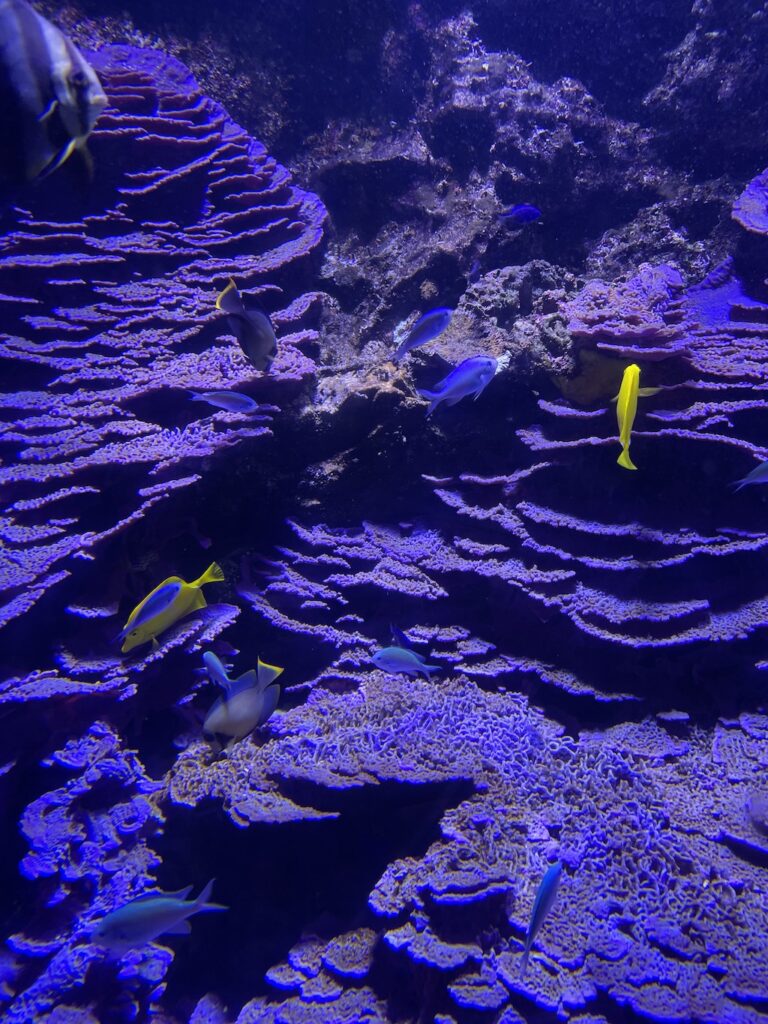
If you're near the Tuscan coast, the Livorno Aquarium is a must-see. You can easily spend a few hours immersed in a watery world while the rain pours down outside.
Indoor markets and food halls
There are also covered markets outside Florence, such as in Arezzo and Livorno. Handy for a rainy morning.
Cheese and chocolate workshops
Go to Pienza for a pecorino tasting or visit a chocolate shop in Pisa or Prato where you can make your own chocolates.
Painting ceramics
In towns like Montelupo Fiorentino and Deruta (just across the border in Umbria) you can paint your own ceramics in a studio.
Italian cookbook hunt
Find a local bookstore and pick up an Italian cookbook or design book as a souvenir. A fun activity for rainy afternoons.
Indoor sports and climbing halls
There are modern indoor climbing halls, bowling alleys and sports centres in cities such as Pisa and Siena – ideal for an active day.
Castles and villas
Visit Castello di Brolio (Chianti) or Villa Reale di Marlia near Lucca – there are often guided tours inside that take you back to the time of the nobility.
Escape rooms and game cafes
Cities like Pisa, Arezzo, and Siena boast several escape rooms and board game cafes. Enjoy a fun time with friends or family.
Photography or painting workshop
Many local artists offer short workshops where you can learn to paint or take photos indoors, a creative way to experience Tuscany.
Tea and coffee bars
Find a specialty coffee bar or tearoom, like Ditta Artigianale in Florence or Pasticceria Nannini in Siena. Make it a tasting.
Wellness at an agriturismo
Many luxury agriturismos now offer a small spa with a jacuzzi and sauna. Reservations are often available as day guests.
Glass wine tasting in Montecarlo
Near Lucca you will find Montecarlo, a small wine region where you can do indoor wine tastings with local producers.
Cathedral of Siena
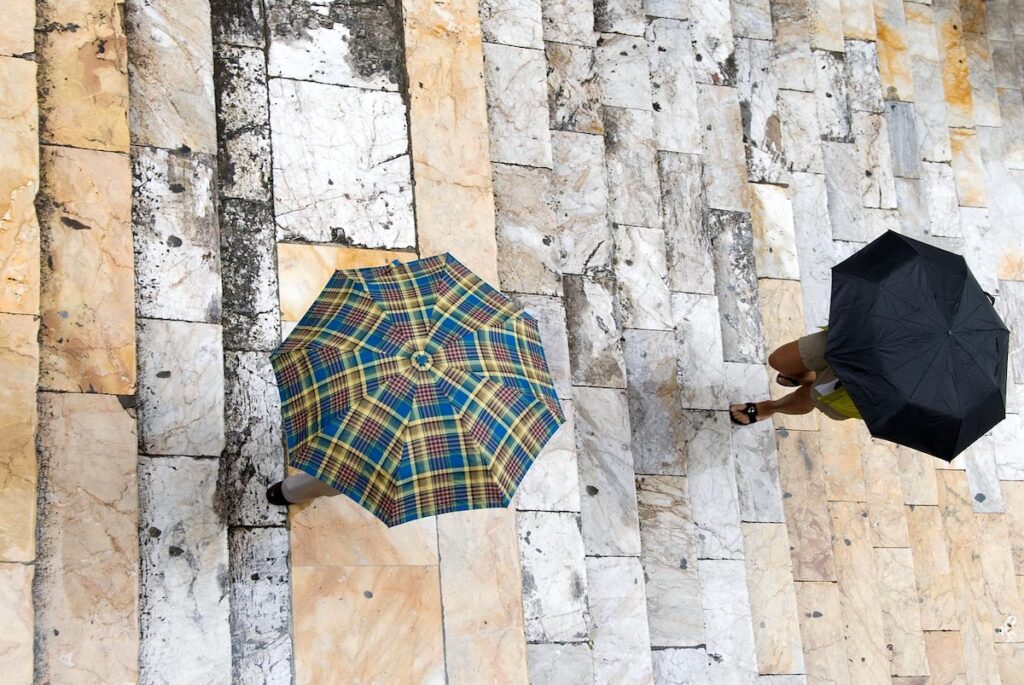
This Gothic cathedral is one of the most beautiful in Italy. The floor alone is a work of art, and you can easily spend a few hours exploring it.
Discover smaller museums in other cities
You'll also find interesting museums outside Florence: the Museo Civico in Siena, the Etruscan Museum in Volterra, or the Museo Diocesano in Cortona. They're often quieter and surprisingly beautiful.
Go underground in Tuscany
Often, the most beautiful things are precisely those hidden, the ones we have to actively seek out, not readily available. Traveling is no different. In Tuscany, there are places just off the beaten track, unknown to many, even to the Tuscans themselves. These are special places that leave room for imagination and wonder, and are largely underground.
- caves of natural history, prehistoric or therapeutic interest
- mines and archaeological-industrial sites
- necropolises and the culture of tuff
- bottini, aqueducts and underground tunnels
The great diversity makes these places attractive to a wide audience: hikers, sports enthusiasts, history and archaeology enthusiasts, and also school groups.
You can also discover the underground city in San Gimignano.
Choose for once dolce far niente
One of the most Italian things you can do: enjoy a leisurely breakfast or brunch and don't start your day until lunchtime. Tuscan towns are often quieter then and, with a bit of luck, less wet.
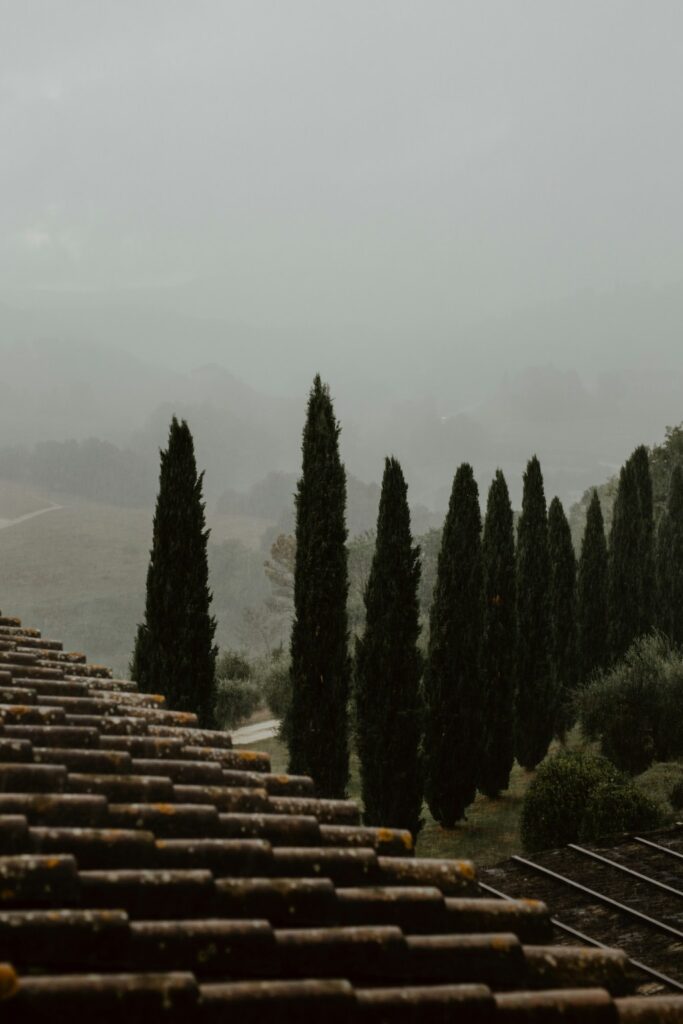
Embrace the art of doing nothing when the rain lasts for a day or two. Pour yourself a glass of wine, grab a book, and snuggle up by the fireplace or window while listening to the rain.
Maybe this is the perfect time to finally open that one book or write old-fashioned postcards to friends. This is your time. Perfect for weary travelers, those seeking peace and quiet, and anyone who's forgotten how to truly pause.
Extra tips for a rainproof day in Tuscany
Even if the rain is pouring down, with these final tips you can still make it a successful day:
- Plan ahead: Check the weather forecast and book museum and tour tickets online in advance. This way, you won't be stuck waiting outside in the rain, and you'll have something to do if the rain continues for several days and you're done with it. dolce far niente.
- Hire a guide for a private tour: Many guides adjust their routes so that you walk or stay indoors as much as possible.
- Explore covered city districts: In cities like Bologna (just outside Tuscany) and Florence there are many streets with loggias and arcade (arched galleries), where you stay relatively dry.
- Go on a souvenir hunt: Rainy weather is the perfect time to pick up unique souvenirs, wines, and cookbooks in charming Italian shops.
- Put on a raincoat: Bad weather often turns out to be less of a problem. Dress warmly on a rainy day and still go out.
- Bring a good quality umbrella: or buy one on the spot – often with a beautiful Tuscan design – as a practical souvenir.
- Take advantage of the opportunity: Rain will deter some tourists. This is the ideal time for a relatively peaceful visit to San Gimignano, Pisa, Siena, or Lucca.
- Make it a culinary day: have an extensive lunch, take your time for a long appetizer and conclude with a multi-course dinner.
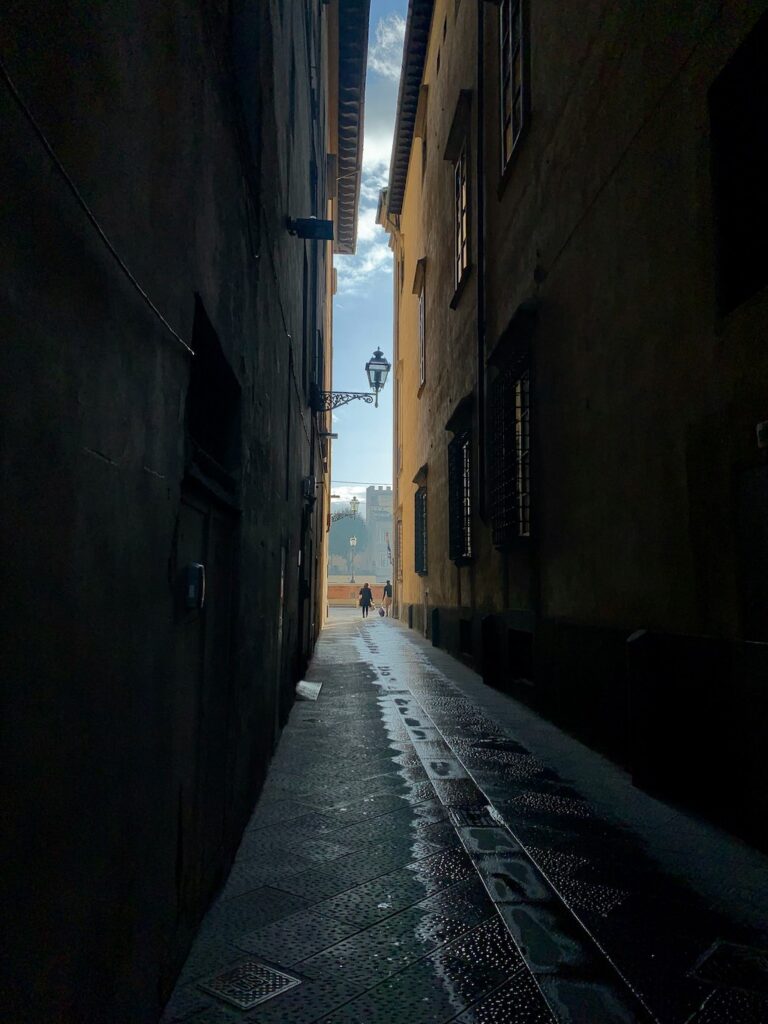
- Choose a photogenic rain route: Tuscan towns are beautiful in the rain, with glistening cobblestones and reflections in puddles: ideal for amateur photographers (those sunny photos are so cliché!).
- Go offline and do something for yourself: Use the bad weather as an excuse to read a book, keep a diary, or select your photos.
- Play a game and connect: Grab one of those fun card games from your suitcase you packed for an occasion like this. Or, alternatively, go to a bar or café and ask if you can join in with the locals; you might just strike up a conversation and learn an Italian game like Scopa.
Conclusion: rain isn't that bad
Rain in Tuscany isn't a setback, but an invitation. To go deeper, to feel more intensely, to cook, to create, to taste, and above all, to slow down. So if you ever ask yourself: What do we do now?, then grab this list and enjoy every drop of your Tuscan rainy day.








Comments