

 Aart Heering
According to Istat, the Italian statistical office, Italy has nearly 5.000 museums. By far the majority of them are completely unknown to the general public. You simply cannot start visiting every museum you come across in this country. But sometimes you stumble upon truly special collections that pique curiosity. Like the following 5.
1. Rome: Museum of Purgatory
In Rome, on the banks of the Tiber, there is a small museum dedicated to Purgatory. The Museo delle Anime del Purgatorio (Museum of the Souls of Purgatory) is located in the sacristy of the neo-Gothic church of the Sacred Heart of Christ (Chiesa del Sacro Cuore di Gesù) on Lungotevere Prati.
Purgatory as a way station on the way to heaven or hell is actually a medieval invention, but according to the Catholic Catechism of 1997 it still exists and you can find proof of it in this small museum. At least, according to the father who started collecting clues from the afterlife a little over a century ago.
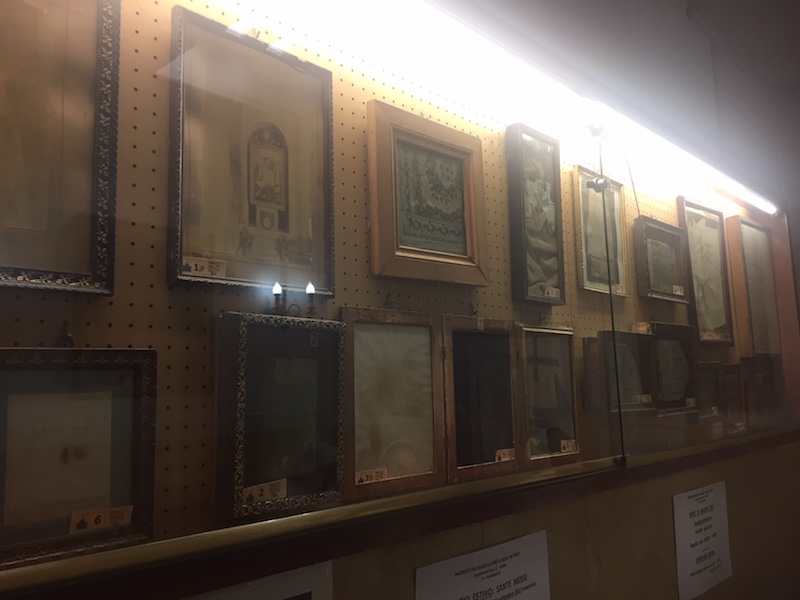
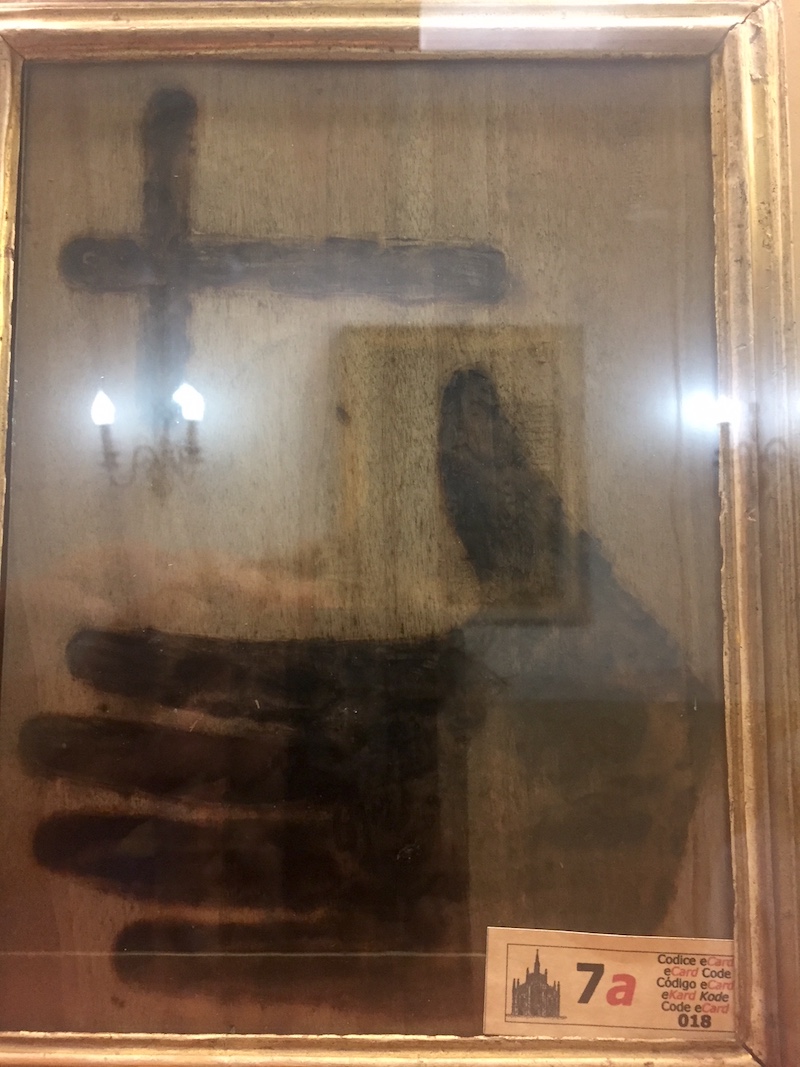
It concerns about twenty objects, from various Western European countries, on which the deceased left their imprint. Such as the book in which the deceased mother-in-law of a pious woman from Metz burned her hand after the daughter-in-law had delivered her from Purgatory by praying a series of Hail Marys.
Or a 10 lire note materialized from scratch, with which in 1919 a recently deceased cleric asked the monks of the monastery of Montefalco to say a mass for him. (Good example is good to follow, the monks must have thought.)
Admission to the church and museum costs nothing and is always good for a curious snack.
The museum's website: purgatorio.altervista.org.
2. Ferrara: Museum of the Manhole Cover
Guitarist Stefano Bottoni is known worldwide as the organizer of the Ferrara Buskers Festival, Europe's largest international street music festival, being held for the 16st time this year from 26 to 31 August.
But he is also the founder of the Museo delle Ghise, also known as International Manhole Museum, a collection of some 150 manhole covers from around the world, including Amsterdam, Havana, Athens and Bucharest.
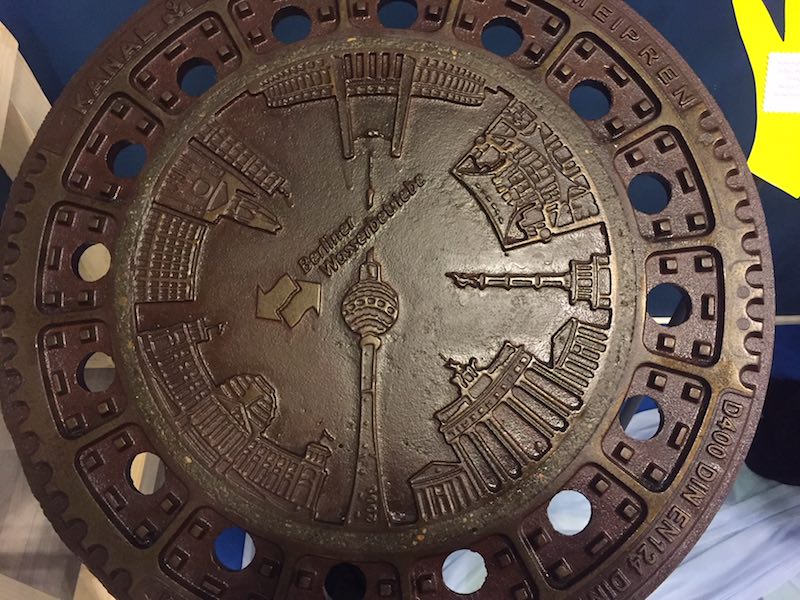
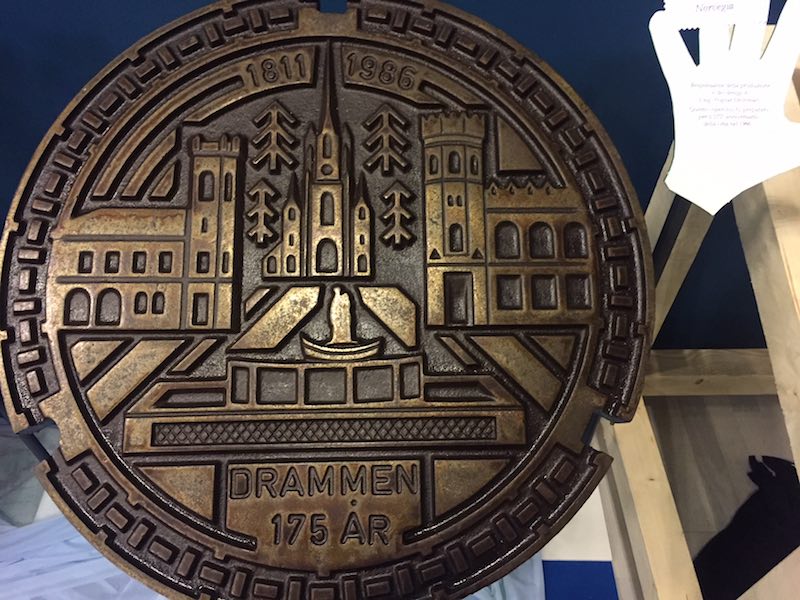
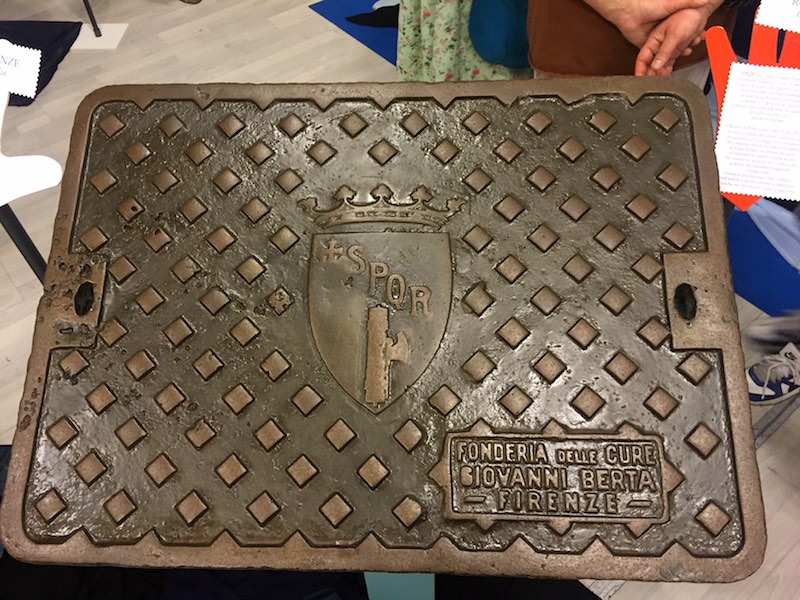
Most of them are quite recent, often donated by the municipalities from which they originate, but some predate the Second World War, such as that of Rome with the emblem of the fascia, fascist rod bundle. (If you pay close attention, you can still see it in use in some places in Rome.)
Some lids are fairly simple and others, such as those from Berlin and the Norwegian Drammen, true cast iron works of art.
Having seen this collection, you are guaranteed to look at a previously completely neglected object like the manhole cover with different eyes in every city you visit.
The Museo is housed in Ferrara's town hall and can be visited free of charge by appointment. The best way to do this is by sending an email to Bottoni himself: stefanobotni@manholemuseum.it.
But the site's photo gallery already offers a nice preview: www.manholemuseum.it.
3. Perugia: Museum of the Evil Eye
The Evil Eye: for the vast majority of Dutch people, the term is a relic of old sagas or the books of Ollie B. Bommel. But for a not inconsiderable number of Italians il malocchio harsh reality.
If they break a leg or fail an exam, it could very well be caused by a Fattura (evil spell) of an evil neighbor or (usually) wife whom they have turned a material or erotic lurking.
While zapping through regional TV channels, you can find an entire army of seers, map-readers and miracle workers who derive their livelihood from such superstitions. But against evil influences you can also arm yourself with amulets and incantations, and this has been done since classical antiquity.
One of the first scientists to take an interest in this was the anthropologist Giuseppe Bellucci, who at the beginning of the last century built up an impressive collection of magical-religious objects: amulets and votive offerings, statuettes or pictures with which the pagan gods, and later the Catholic gods saints, were thanked for services rendered.
For example, there are amulets against rain and hail, for a prosperous marriage or healing, and of course against the Evil Eye.
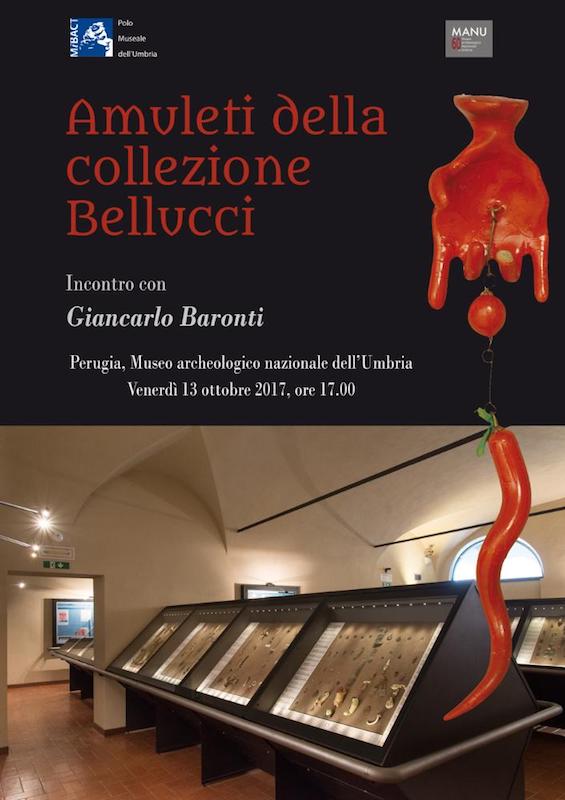
The collection is housed in the Archaeological Museum of Perugia and has recently been thoroughly refurbished and placed in modern display cases. The presentation of the new room took place very appropriately on Friday, October 13, 2017 at 17 pm. (For the Italians, 17 is even more than 13 the unlucky number.)
The museum's website: polomusealeumbria.beniculturali.it.
4. Naples: Gabinetto Segreto
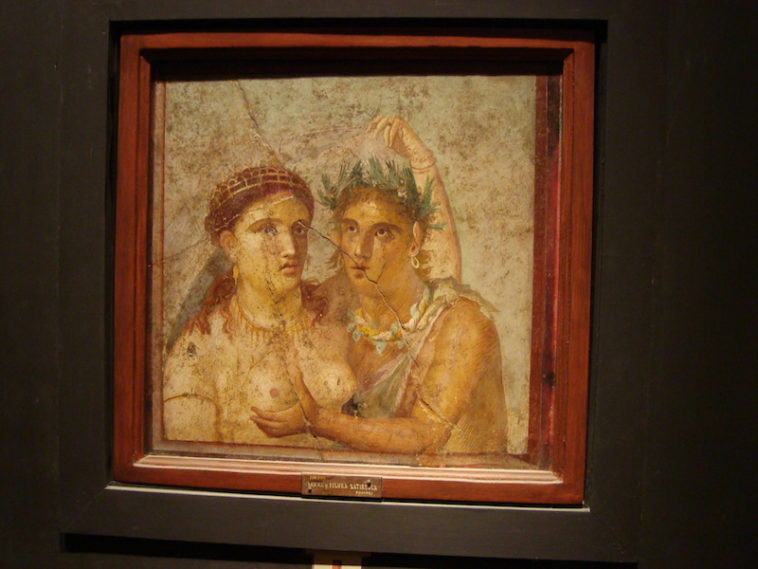
Everyone has seen images of the tantalizing frescoes in the lupanarae (whorehouses) of Pompeii. Or the erotic images (m/f or m/m) on Greek vases, which were also found here.
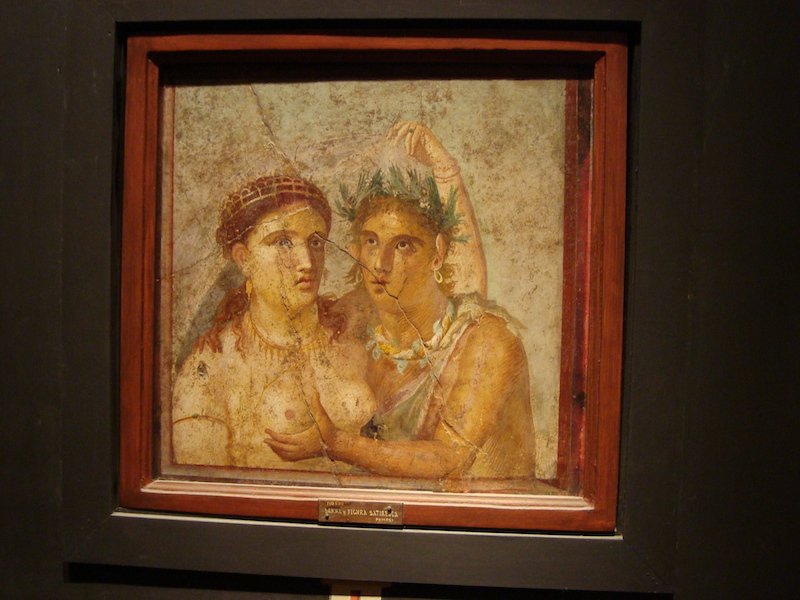
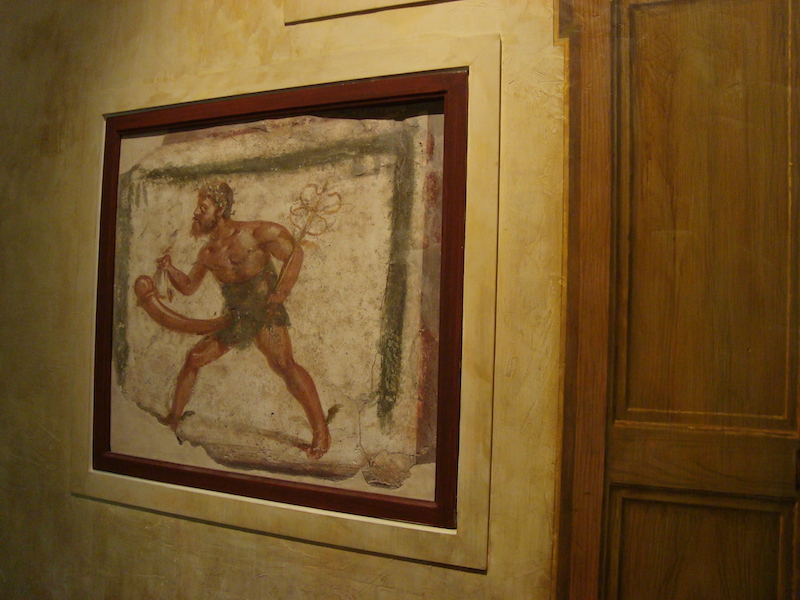

Not to mention proudly raised phalluses and slanting graffiti that adorned the walls of many houses in the city engulfed by the lava. Since the excavations in Pompeii and Herculaneum began, an enormous amount of sexually oriented material has been uncovered.
This has been hidden from the average tourist for more than two centuries. Stored in the Gabinetto Segreto, the 'secret room' of the Archaeological Museum, there was a unique collection of erotic art that, above all, had to remain secret.
In the 19th century it was even seriously considered destroying everything because of its immoral nature. But even after that, successively clerical, fascist and Christian-democratic censorship kept the door closed to the people.
The Gabinetto Segreto was not opened to the public until 2000 and since then it has been one of the main attractions of the otherwise impressive Neapolitan Archaeological Museum.
And now, culturally, everyone can marvel at extremely explicit frescoes, frolicsome nymphs and satyrs, phallic-shaped utensils and the now well-known image of the God Pan grazing a willing goat.
The museum's website: www.museoarchaeologicaliconapoli.it.
5. Rome: Central Montemartini
Much neater, but also remarkable is this lesser-known Roman museum. The building is a power station from the beginning of the last century that was closed in the 60s and after twenty years of deterioration was restored as an industrial monument.
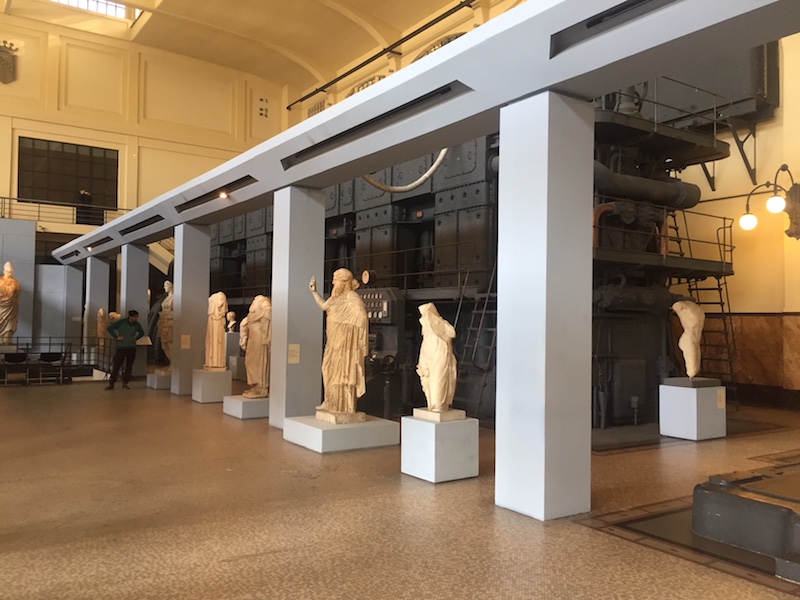
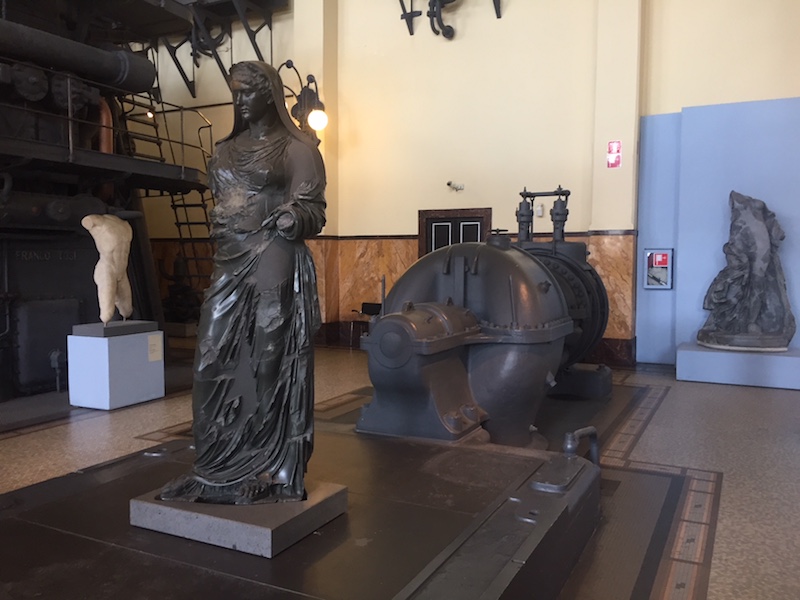
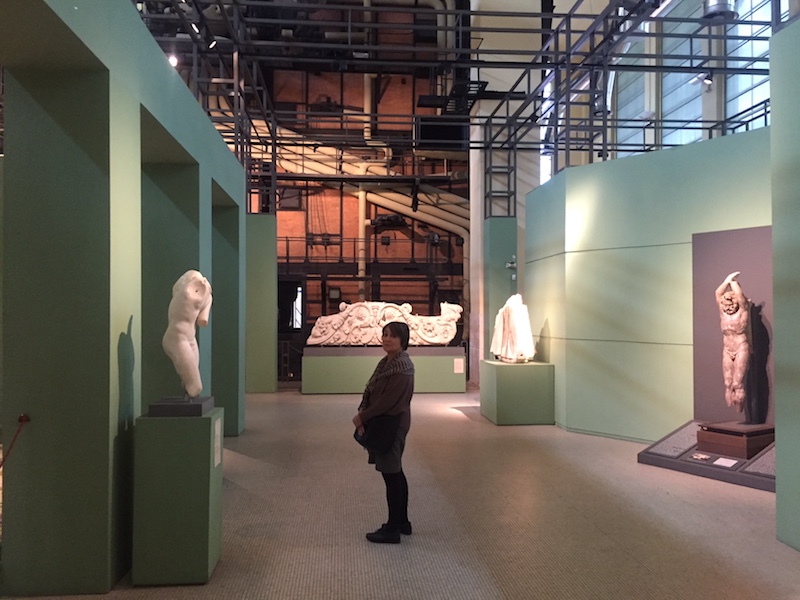
When one of the Roman museums of antiquity was renovated in 1995, the collection of antique statues temporarily moved to the Centrale. The resulting exhibition proved to be a great success and since then the collection, supplemented with statues of emperors and gods from the immense depositories of other Roman museums, has become definitive.
Thus, you can now see all these testimonies of ancient Rome against the backdrop of gigantic turbines, engines and others vintage machinery.
A wonderful integration of industrial and classical archaeology, which you can also immerse yourself in in peace, because unlike the more centrally located Roman museums in the Centrale it is usually not crowded. And with the Metro B (Garbatella stop) it is also quickly accessible.
The museum's website: www.centralmontemartini.org.
Finally: if you like special museums, then it is Museo della Merda (the poo museum) might also be something for you!
Photos: Aart Heering and Edward Hendriks









Comments