


 This Is Italy
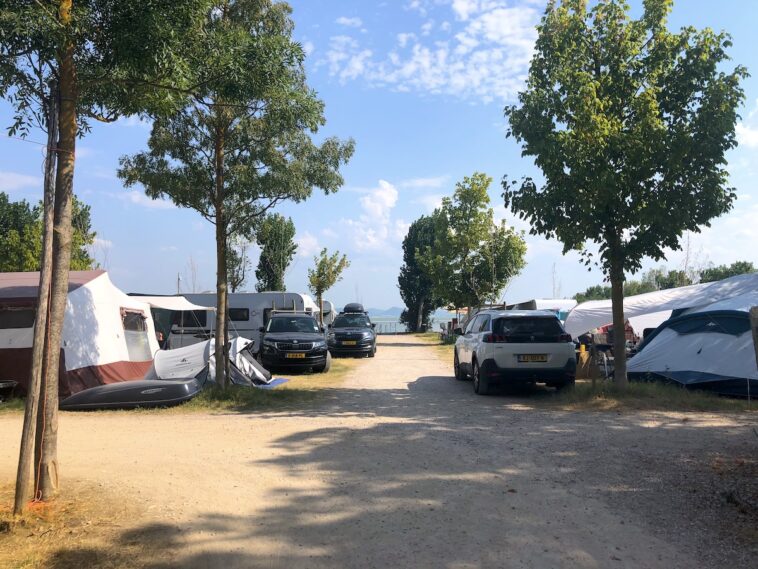
Great that you are planning to go camping in Italy this year! Are you still feeling a bit uncertain about your first camping holiday in Italy? Then let this step-by-step plan for novice Italy campers reassure you.
Maybe you already have a lot of camping experience, just not in Italy. Or maybe you have been more into city trips and plane travel. Either way, you will get some tips from the tips below from experienced campers.
Step 1: Determine the region where you want to spend your holiday
Italy is large and diverse. A camping holiday does not start with the campsite, but with knowing where you would like to spend your holiday. At the sea or in the mountains? In touristic Tuscany or perhaps in the less well-trodden Le Marche? Do you want an active holiday or a lazy holiday (or a bit of both)?
If you don't have a clue yet, take a look at the travel tips we have for you here on This is Italy for all regions categorized.
You can also take into account how long you want to spend in the car. You can reach Lake Como in one day, but you should count on 2 days of travel for Umbria. If you go further than Central Italy, you can easily add another day of travel time. For many campers, this is a reason to stay as long as possible Lake Trasimeno to travel in Central Italy.
Step 2: Book a campsite
If you are travelling in high season (summer holiday), it is useful to reserve your place on the campsite in advance. Italy is a popular camping country and certainly in the tourist areas campsites are quickly fully booked, especially if you have to rent accommodation.
If you are dependent on a mobile home, bungalow, rental tent or something similar, then it is best to book well in advance. You can take the gamble and wait until the last moment, but then you will no longer have a wide choice of destinations.

The choice of campsite is again very personal and depends on the wishes of the group you are travelling with. Children probably want a nice swimming pool with slides and you yourself may want to be in an area where there is also something to see and do. (Do you absolutely not want a bathing cap obligation, please check this in advance with the campsite.)
More expensive campsites are often located directly on a lake or the sea. Campsites that are a bit cheaper are located a bit further away. The more facilities a campsite has, the more expensive it becomes. The price also depends to a large extent on whether you only need a camping spot or whether you also need to rent something. The costs for camping in Italy are among the highest in the whole of Europe, so don't be alarmed!
If you plan to cook for yourself regularly to keep costs down during your holiday, it is useful to check in advance how far it is to drive to the nearest supermarket.
Also keep in mind that it can get scorching hot in Italy in the summer. A shady spot and/or accommodation with air conditioning is nice. On the coast and on the islands there is often a pleasant breeze, but inland it can be tough with 40+ degrees (we speak from experience).
Need inspiration for your large or small campsite in Italy? Read this article.
Step 3: Are you going via Switzerland or Austria?
Some let the navigation choose the fastest route, but you may also have a preference. There is no single best route to Italy. For most lakes, Milan and Tuscany, the fastest route is often via Switzerland.
For Lake Garda, Venice and the Adriatic coast, the route via Austria is a good choice. Please note that via the Switzerland route you will often have to deal with the Gotthard tunnel, where the waiting time can be considerable in high season.
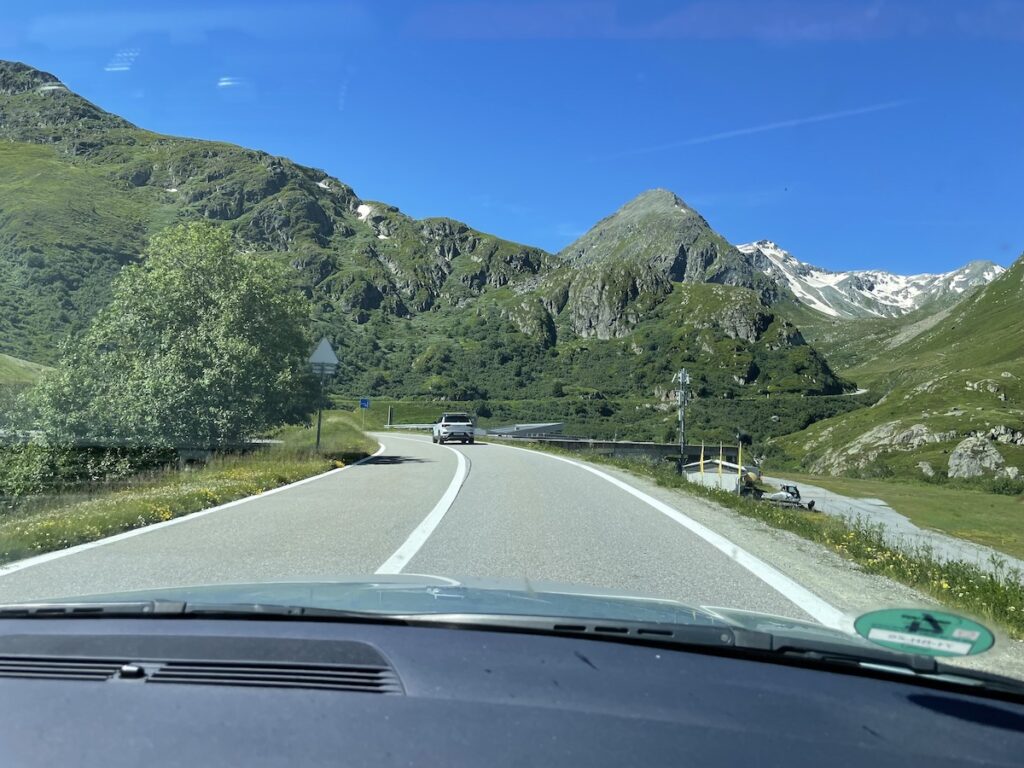
We also sometimes consciously choose a slower route, such as via the Great St. Bernard Pass. Yes, then it goes less fast, but if you choose your overnight stay well, you also have a nicer route. It is not always about getting to your destination as quickly as possible.
So there is no route you have to take, you choose what appeals to you most. You can also let your route depend on where you would like to stay overnight along the way.
Step 4: Determine your overnight address
If you are going to spend your holiday in the north of Italy (on the lakes, in the Dolomites, around Turin, Milan or Verona), you can drive there in one day (also depending on where you have to come from, of course). Leaving a bit early is handy.
If you don't like to rush or your destination in Italy is a bit further south, a stopover is recommended. There are excellent (budget) hotels in the south of Germany right next to the route.
In Austria you can also stay overnight along the route. In Switzerland there are also excellent overnight accommodations, but it is usually a bit more expensive.
Tips for We have listed hotels on the way to Italy for you here.
Step 5: What to bring to Italy?

In Italy and beyond you can travel light. We like to make it easy for ourselves and book a rental tent or similar accommodation where all the equipment is already present.
If you travel with your own camping equipment, you will of course need to have more camping gear with you. What you don't have with you, you can buy on the road or at your destination (even peanut butter, yes). However, you should not forget a few things:
- Are you travelling with your own tent, trailer tent, camper or caravan? Then take all the usual camping gear with you. Beforehand, of course, you check the condition of your car and camping equipment.
- First aid kit (mandatory in Germany and Austria), safety vests en warning triangle.
- Medication (painkillers are very expensive in Italy and you have to buy everything at a pharmacy buy).
- Create a backpack en good running shoes (shoes that don't fit well don't fit in the medieval streets you often find in Italy).
- Create a credit is very useful for the toll booths on the highways to your destination (you can also purchase a special toll badge in advance).
- toll vignette for Switzerland or Austria (it is useful to purchase this vignette in advance, so that you do not have to queue at the border).
- Membership roadside assistance (if you are travelling with an older car, an ANWB membership including Roadside Assistance is useful, even if you already have roadside assistance through your car dealer. With the standard cover you also get 21 days of replacement transport, if your car cannot be repaired within 48 hours).
- Create a Travel Insurance is useful for what piece of mindYou can always get help with unforeseen events and the travel insurance also covers high healthcare costs and repatriation if you unexpectedly end up in hospital. Travel Insurance You can still complete your booking one day before your holiday.
Want to see a complete packing list for Italy? Then view this article.
Step 6: Forget la dolce vita NOT ALLOWED
Camping in Italy also starts with a little sweet life. This means that you should not plan your days too full. Yes, it is useful to buy your tickets for Gardaland or the Colosseum in advance to save money and to avoid missing out. But above all, do not plan every day in advance. Leave enough space in your schedule for relaxation, enjoyment and spontaneous inspirations.
One activity per day (especially in high season) is often more than enough. Get up early and use those valuable hours before the heat of the day.
In the afternoon it is siesta and many shops close (especially in August you will find many closed doors). Do as the Italians do and adapt to the rhythm of the day. In the evening you can go out again to eat or have a drink on the promenade.
Enjoy your camping holiday in Italy!







Comments